
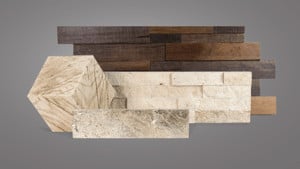
10 Home Exterior Design Ideas Using Light-Colored Natural Stone
Discover how white, cream, and soft gray natural stone veneer can transform your home’s exterior with timeless beauty, architectural texture, and unforgettable curb appeal.
Your home’s exterior is more than a first impression. It tells a story about your personal style, architectural vision, and the materials you choose to bring that vision to life.
One of the most versatile ways to elevate a home’s appearance is with light-colored natural stone veneer.
From crisp white limestone and creamy marble to soft gray and warm greige stone, lighter natural stone colors create an inviting, sophisticated look that complements nearly every architectural style.
Whether you’re designing a contemporary custom home, updating a modern farmhouse, or refreshing a traditional exterior, light-colored stone offers a beautiful balance of natural texture, architectural interest, and timeless appeal.
Why choose light-colored stone for your home’s exterior? Light-colored natural stone can brighten a façade, complement surrounding materials, highlight architectural details, and create a sense of openness. Its natural variation adds character that flat exterior finishes cannot easily replicate.
For homeowners, it offers an opportunity to create a distinctive exterior that feels both welcoming and refined.
For architects and design professionals, natural stone veneer provides flexibility in combining textures, proportions, and complementary materials.
With Realstone Systems’ natural stone veneer collections, achieving these looks is easier than ever.
Ready for inspiration? Explore these 10 home exterior design ideas using light-colored natural stone.
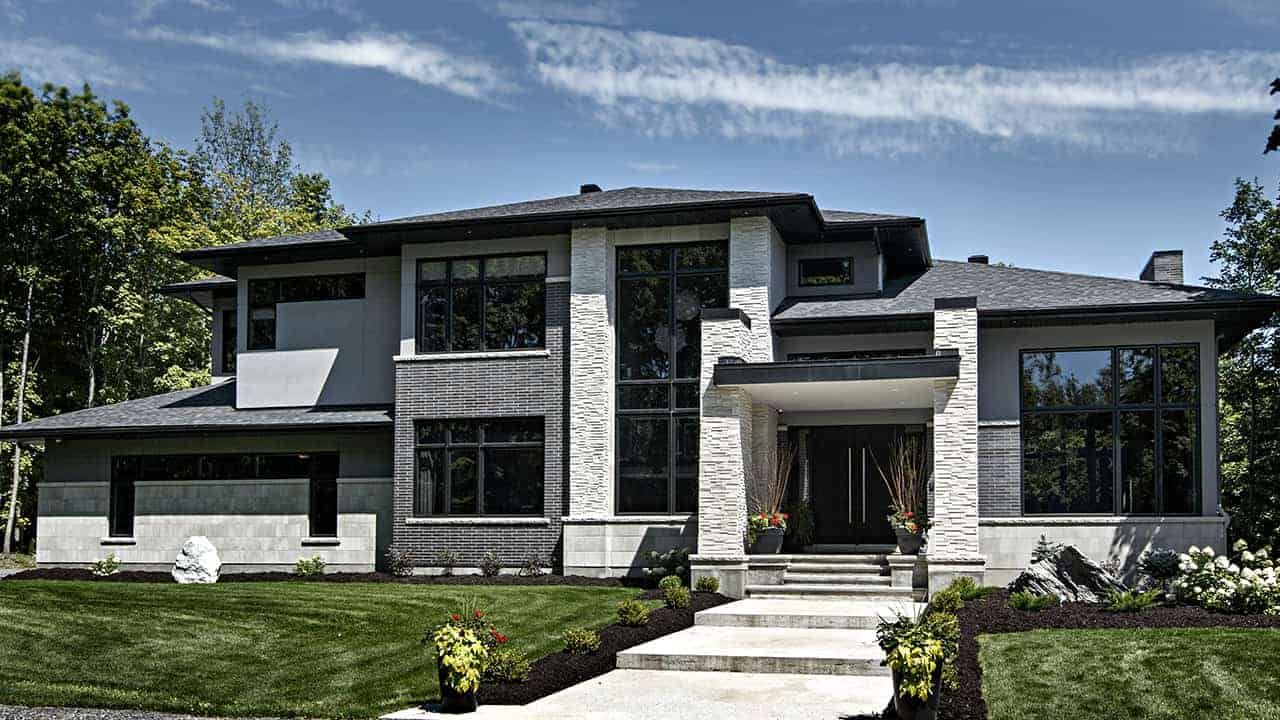 1. Create a Modern Minimalist Exterior with White and Light Gray Stone
Modern minimalist architecture is defined by clean lines, simple forms, and a carefully selected material palette.
Light-colored natural stone fits naturally into this design approach, introducing texture and visual depth without competing with the architecture.
Imagine a contemporary home with expansive windows, black aluminum frames, a flat or low-pitched roof, and broad sections of pale limestone.
The stone softens the building’s geometric lines while preserving the crisp, uncluttered appearance that makes modern architecture so appealing.
How to Achieve the Look
Use light-colored stone on prominent architectural surfaces, such as an entry wall, garage-facing elevation, or full-height feature section.
Pair it with:
- Black or charcoal window frames
- Smooth white or light gray stucco
- Natural wood accents
- Large glass openings
- Minimalist landscaping with ornamental grasses
The contrast between pale stone and darker architectural details creates a balanced, contemporary appearance.
Featured Realstone Product: White Birch Honed
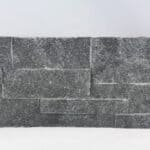
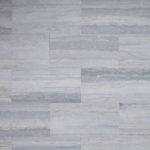
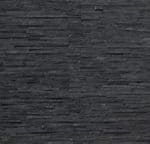
White Birch Honed Natural Stone Veneer features pale gray limestone with distinctive natural striations and a smooth matte finish.
Its subtle color variation and refined texture make it an excellent choice for modern home exteriors where the materials should enhance the architecture rather than overwhelm it.
Designer tip: Continue the stone across a prominent vertical surface to visually emphasize the home’s height and create a stronger architectural statement.
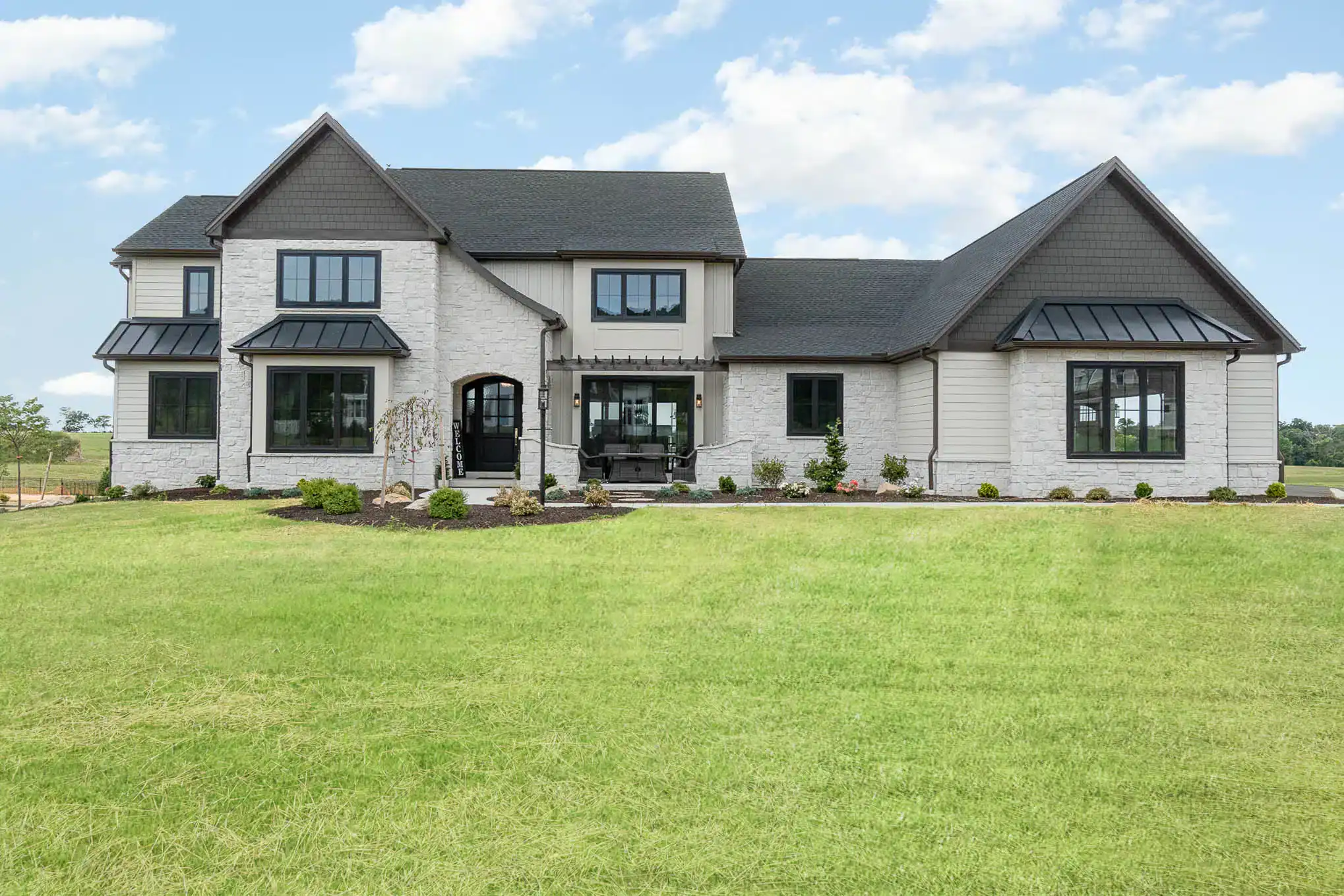 2. Add Warmth to a Modern Farmhouse with Cream-Colored Stone
The modern farmhouse style continues to evolve beyond white siding and black windows.
Today’s interpretations often incorporate warmer colors, natural materials, and more sophisticated combinations of texture.
Cream-colored natural stone veneer is a beautiful way to introduce this warmth while preserving the clean, welcoming character of farmhouse architecture.
Instead of relying entirely on white board-and-batten siding, imagine a farmhouse exterior with creamy stone surrounding the front entrance, wrapping porch columns, or grounding the lower portion of the home.
The stone adds dimension and creates a more layered architectural composition.
How to Achieve the Look
Combine soft cream stone with:
-
Warm white board-and-batten siding
-
Natural oak or cedar accents
- Bronze or black exterior lighting
- Wood-framed entry doors
- Neutral landscaping and native plantings
The key is choosing materials with complementary undertones.
Warm cream stone works particularly well with dark charcoal natural wood, siding creating a welcoming exterior.
Featured Realstone Product: Isla Natural Stone Veneer
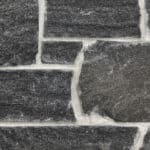
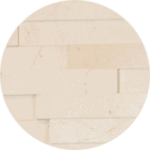
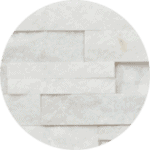
Isla Natural Stone Veneer features a creamy off-white marble palette inspired by sun-washed coastal landscapes.
Its natural warmth makes it an appealing choice for modern farmhouse exteriors, covered entrances, and architectural accent walls.
Designer tip: Use stone selectively around the entry and foundation areas. This creates a sense of permanence while allowing the home’s siding and rooflines to remain visually prominent.

3. Mix Light Natural Stone with Wood for Contemporary Contrast
One of the most compelling exterior design combinations is natural stone paired with wood.
The contrast between stone’s mineral texture and wood’s organic grain creates visual interest while maintaining a cohesive, nature-inspired palette.
This approach is particularly effective in contemporary homes that emphasize indoor-outdoor connections.
Picture a two-story residence with broad sections of light stone veneer, vertical cedar siding, expansive windows, and warm architectural lighting.
The stone creates a sense of solidity, while the wood introduces warmth and softness.
Together, the materials create an exterior that feels modern without appearing cold or overly industrial.
How to Achieve the Look
Use natural stone on the home’s primary architectural volumes, then incorporate wood as an accent material.
Consider pairing light stone with:
- Vertical cedar or thermally modified wood siding
- Warm wood-look soffits
- Bronze or charcoal metal accents
- Large windows
- Natural landscaping and stone pathways
For a balanced design, establish one dominant material and use the others to highlight important architectural elements.
Featured Realstone Product: Smoky Birch Dimensional
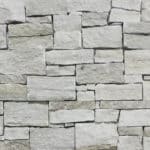
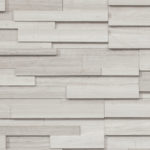
Smoky Birch Dimensional Natural Stone Veneer offers a warm greige limestone with natural striations and a dimensional geometric pattern.
Its warm neutral coloring pairs beautifully with wood tones, creating a sophisticated exterior that feels connected to the surrounding landscape.
Designer tip: Coordinate the undertones of the wood and stone. Warm greige stone typically pairs more naturally with golden or medium-brown wood than with cool, blue-gray finishes.
 4. Make a Grand Entrance with Light Stone Columns and Entry Walls
Your front entrance is one of the most important architectural features of your home.
It’s where visitors form their first impression and where thoughtful material selection can make a dramatic difference.
Light-colored natural stone can transform an ordinary entrance into a distinctive architectural feature.
Stone-clad columns, entry walls, and covered porches add dimension and help establish a clear focal point.
For traditional and transitional homes, more substantial stone patterns can create the appearance of classic masonry.
For contemporary homes, smoother stone profiles provide a refined, understated finish.
How to Achieve the Look
Consider incorporating light stone into:
- Covered entry columns
- Recessed front-door walls
- Porch accent walls
- Architectural piers
- Entryway returns and transitions
Pair the stone with a substantial wood front door, oversized exterior sconces, and thoughtfully designed landscaping.
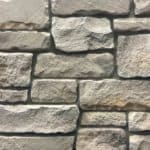
Featured Realstone Product: White Birch Estate Stone
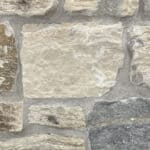
White Birch Estate Stone combines pale gray limestone with a more substantial stone pattern.
Its natural texture and dimensional appearance make it an attractive choice for prominent entrances, exterior columns, and transitional architecture.
Coordinating White Birch Estate Stone Corners help create finished transitions around columns and architectural edges.
Designer tip: Carry the stone from the entrance onto adjacent architectural surfaces to create continuity and make the entry feel intentionally integrated into the overall design.
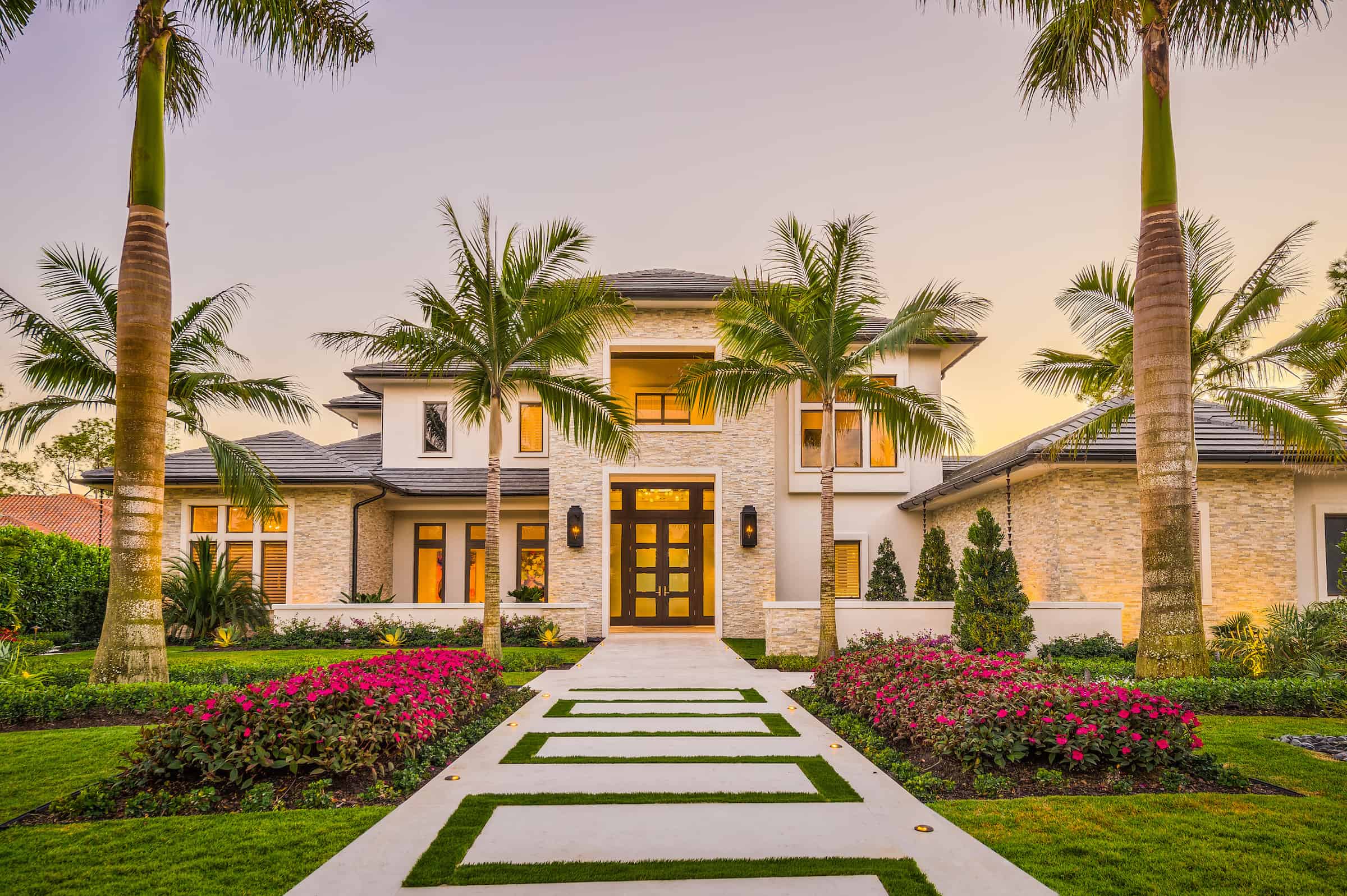 5. Design a Coastal-Inspired Exterior with Soft White Stone
Coastal architecture is known for its relaxed elegance, light-filled spaces, and connection to natural surroundings.
While white siding and painted brick are common coastal materials, soft white natural stone offers an appealing alternative.
Creamy marble and pale limestone introduce subtle texture while maintaining the bright, airy appearance associated with coastal design.
The result is an exterior that feels sophisticated without becoming overly formal.
How to Achieve the Look
Combine soft white stone with:
- White or warm ivory stucco
- Light natural wood accents
- Soft gray or sand-colored siding
- Large windows and covered terraces
- Simple landscaping with grasses and low-maintenance greenery
Avoid excessive contrast or too many competing materials.
Coastal-inspired design works best when the overall palette feels natural and restrained.
Featured Realstone Product: Isla Natural Stone Veneer
The creamy off-white coloring of Isla Natural Stone Veneer creates a beautiful foundation for coastal-inspired residential architecture.
Its subtle warmth complements sandy neutrals, natural wood, and soft white finishes.
Designer tip: Use a consistent stone finish on the exterior entry and adjoining outdoor living areas to create a seamless visual connection.
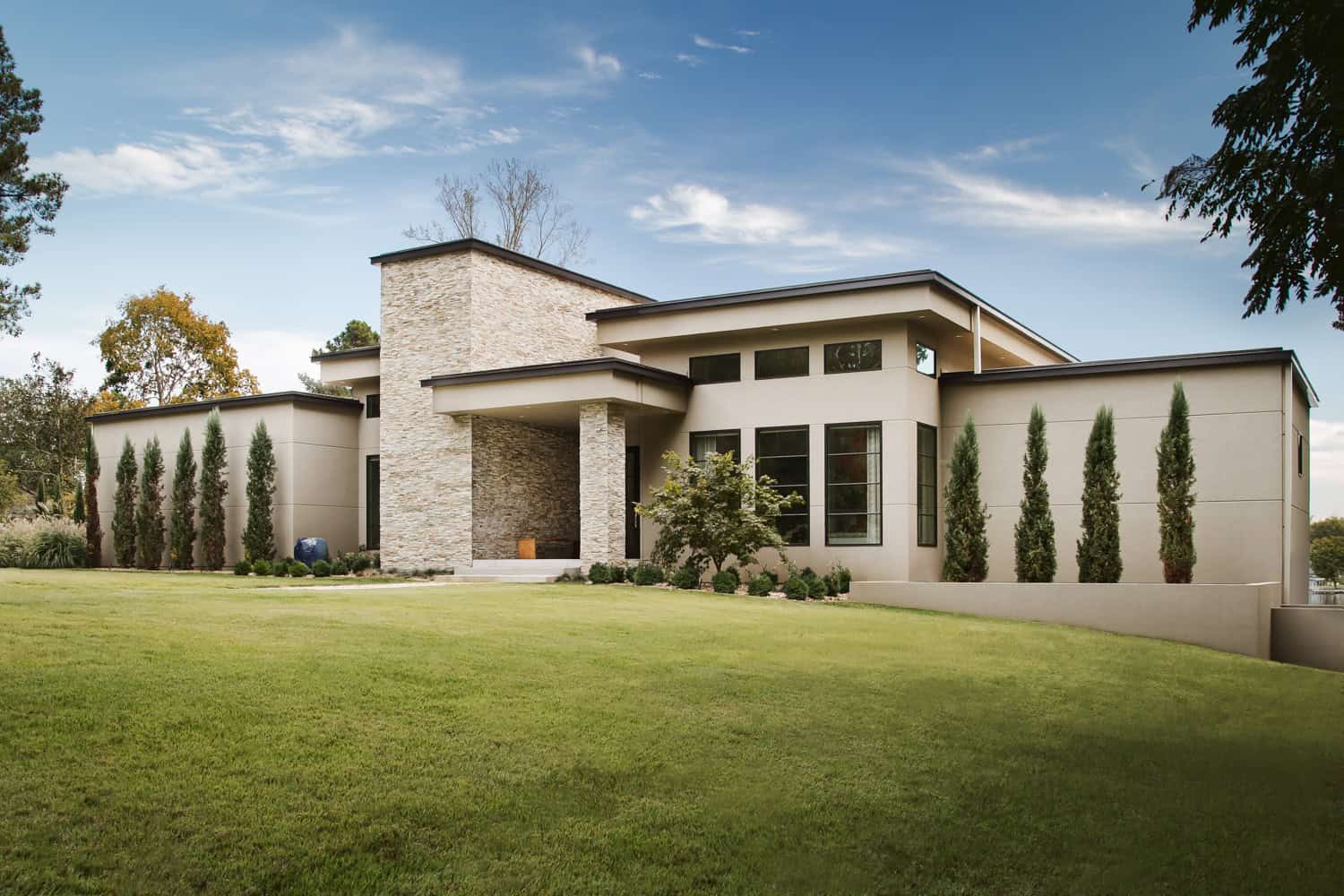
6. Use Light Stone Accent Walls to Break Up Large Exterior Façades
A large home exterior can sometimes feel visually flat when finished in a single material.
Light-colored natural stone veneer provides an effective way to introduce texture, define architectural volumes, and create contrast.
Instead of covering the entire house with stone, designers can use it strategically to emphasize selected sections of the façade.
This approach works particularly well on contemporary homes with multiple building volumes, recessed entrances, and contrasting rooflines.
How to Achieve the Look
Consider using light stone to highlight:
- A projecting two-story wall
- The front entrance
- A garage-facing architectural feature
- A recessed outdoor living area
- A vertical section connecting multiple floors
Pair the stone with smooth stucco, wood siding, or dark metal accents to emphasize the contrast between materials.
Featured Realstone Product: White Birch Honed
White Birch Honed Natural Stone Panels offer a refined, pale gray limestone appearance that works beautifully as an exterior accent material.
The stone’s subtle striations introduce natural movement while maintaining a clean, contemporary aesthetic.
Designer tip: Align material transitions with architectural elements such as corners, rooflines, window edges, and changes in wall depth. This creates a more intentional, cohesive design.
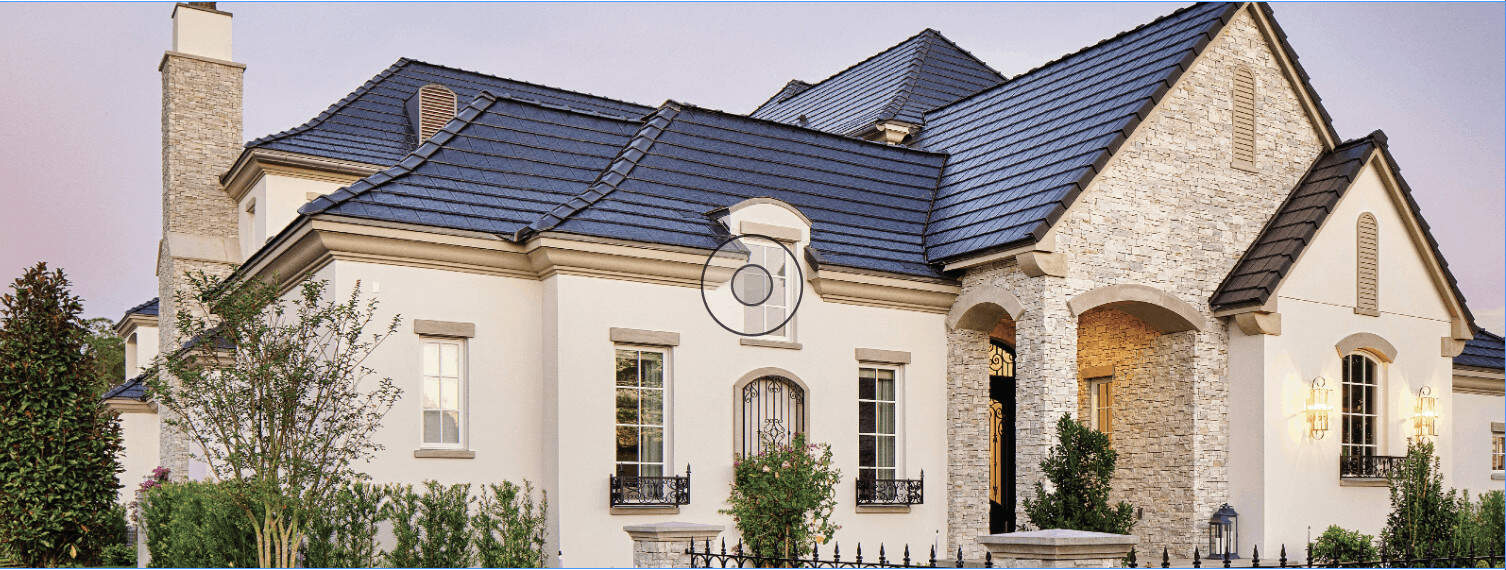 7. Bring Mediterranean Warmth with Cream and Beige Stone
Mediterranean-inspired homes embrace natural textures, warm colors, and architecture that feels connected to the landscape.
Cream and beige natural stone veneer complement this style beautifully.
Whether you’re designing a modern Mediterranean residence or updating a traditional stucco home, lighter stone can introduce depth and authentic material character.
Imagine a warm white stucco exterior accented by creamy natural stone around arched entrances, courtyard walls, and outdoor gathering spaces.
The result is inviting, elegant, and grounded in natural materials.
How to Achieve the Look
Pair warm stone with:
- Cream or sand-colored stucco
- Natural wood doors
- Bronze or dark metal details
- Clay-toned roof materials
- Olive trees and Mediterranean-inspired landscaping
- Arched architectural openings
Keep the color palette warm and cohesive.
Rather than combining several competing stone colors, choose one primary natural stone finish and repeat it throughout the design.
Featured Realstone Product: Isla Natural Stone Veneer
Isla Natural Stone Veneer offers a creamy off-white marble finish that complements Mediterranean-inspired exterior palettes.
Its soft coloration works especially well alongside warm stucco and natural wood.
For a slightly deeper neutral, Smoky Birch Dimensional Stone Veneer introduces warm greige tones and a more geometric texture.
Designer tip: Use warm architectural lighting to enhance the stone’s natural texture and create an inviting atmosphere around entrances and outdoor gathering areas.
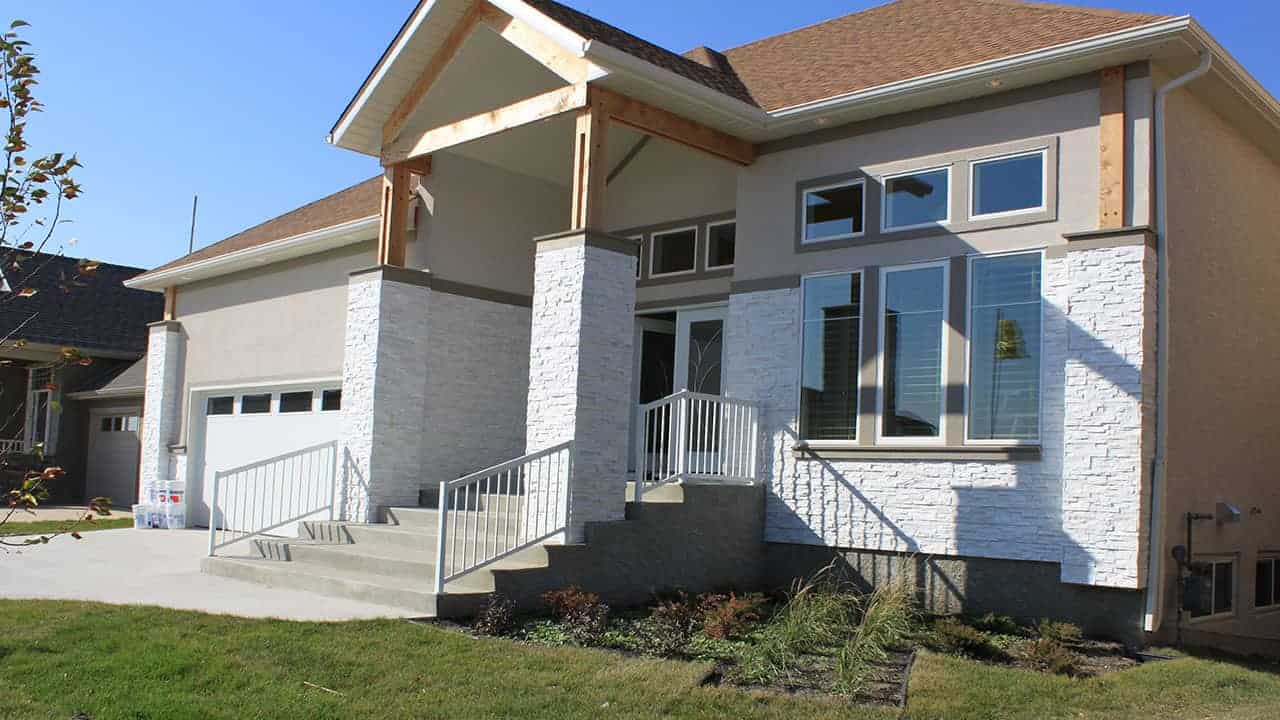 8. Ground a Two-Story Home with a Light Stone Base
Tall residential façades often benefit from materials that create a sense of visual balance.
One effective design technique is to use natural stone across the lower portion of the exterior while introducing a complementary material above.
This approach visually anchors the home and helps establish a clear architectural hierarchy.
Light-colored stone is particularly effective because it provides texture and substance without making the lower elevation appear excessively dark or heavy.
How to Achieve the Look
Use light stone along the lower façade, then pair it with:
- Horizontal or vertical siding on upper levels
- Smooth stucco
- Dark window frames
- Coordinating roof materials
- Natural wood architectural accents
This approach works well for modern farmhouse, transitional, craftsman-inspired, and contemporary homes.
Featured Realstone Product: White Birch Estate Stone
White Birch Estate Stone features a substantial limestone pattern with a soft gray color and natural variation.
Its dimensional appearance creates a convincing architectural base while maintaining a light, versatile palette.
Designer tip: Use consistent stone heights and align material changes with windows, floor levels, or other architectural features to create a balanced composition.
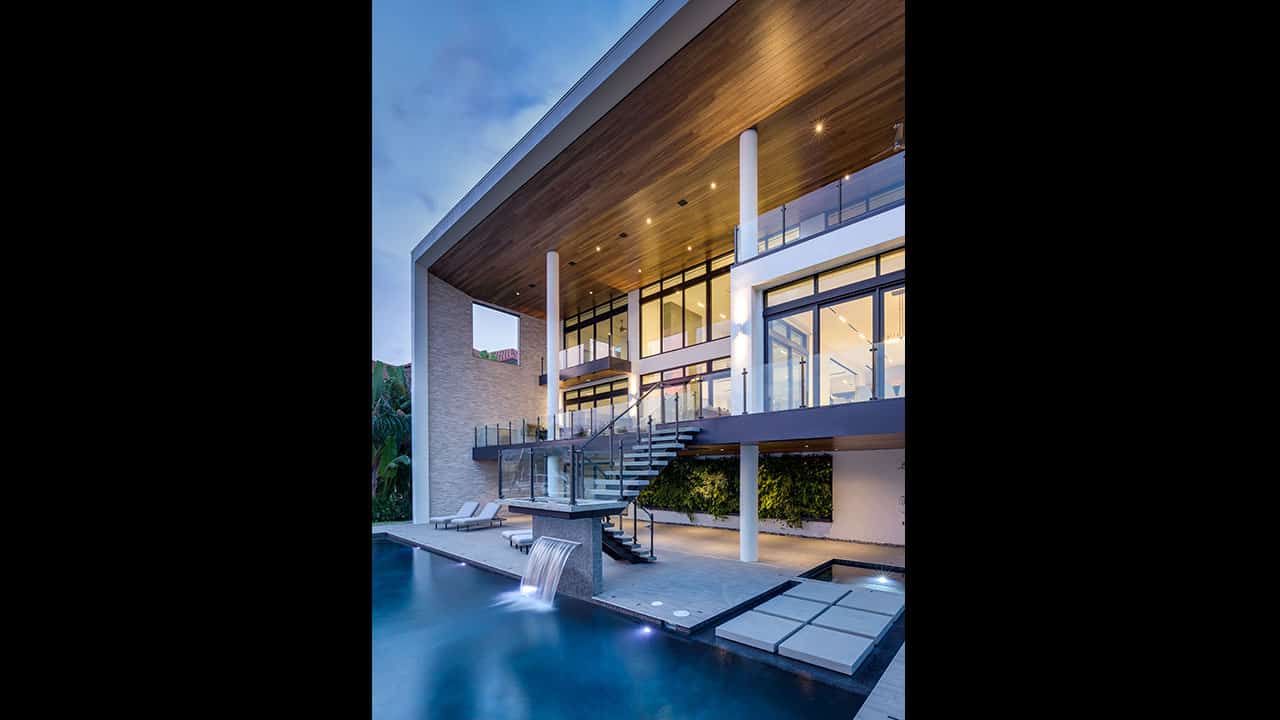 9. Extend Light Stone into Outdoor Living Spaces
A beautifully designed exterior should feel connected to the spaces surrounding it.
One way to establish that connection is by continuing the home’s natural stone materials into outdoor living areas.
Light-colored stone veneer can create visual continuity between the main residence and patios, outdoor kitchens, entertaining spaces, and garden walls.
This approach is especially effective for homes designed around indoor-outdoor living.
Imagine a contemporary residence with pale limestone on the rear elevation, extending into a covered patio and outdoor fireplace wall.
The repeated material creates a cohesive architectural experience.
How to Achieve the Look
Consider coordinating natural stone across:
- Exterior patio walls
- Outdoor kitchen surrounds
- Covered entertaining areas
- Outdoor fireplace surrounds
- Landscape feature walls
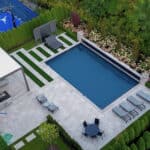
- Poolside architectural features
Using the same stone family across multiple areas can create continuity without requiring every surface to match exactly.
Featured Realstone Product: White Birch Honed
White Birch Honed Natural Stone Veneer offers a soft gray limestone finish suitable for approved exterior wall applications.
Its natural texture and neutral color complement contemporary patios, outdoor kitchens, and landscaped entertaining spaces.
Realstone also offers coordinating accessories, including White Birch Honed Corners, to help complete architectural transitions.
Designer tip: Repeat the same stone on the home exterior and a nearby outdoor feature wall, then introduce complementary materials such as wood, metal, or porcelain to add visual variety.
For outdoor kitchens, fireplaces, pools, and other exposed installations, confirm product suitability and the appropriate construction details for each application.
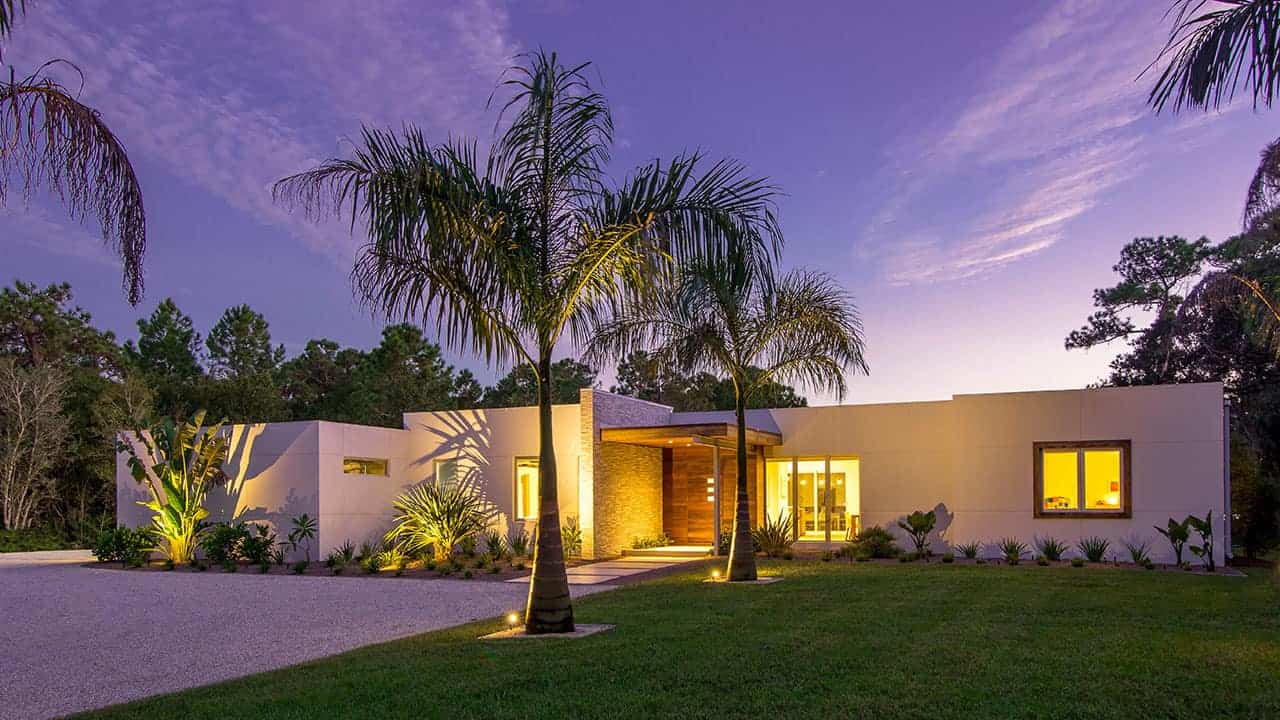 10. Highlight Natural Stone Texture with Architectural Lighting
The beauty of natural stone doesn’t disappear when the sun goes down.
Thoughtfully designed exterior lighting can reveal the texture, depth, and natural variation of stone in entirely new ways.
Light-colored stone is especially appealing under warm architectural lighting because its surface can reflect light and reveal subtle shadows.
The result is an exterior that feels inviting during the day and visually compelling after dark.
How to Achieve the Look
Use lighting to emphasize important stone-clad architectural features.
Consider:
- Wall-grazing lights that reveal stone texture
- Uplighting around entry columns
- Recessed soffit lighting above stone walls
- Warm lighting around covered porches
- Landscape lighting near stone-clad exterior features
Avoid placing lights randomly across the façade.
Instead, identify the architectural elements you want to emphasize and develop a coordinated lighting plan.
Featured Realstone Product: White Birch Estate Stone
The dimensional pattern of White Birch Estate Stone creates natural surface variation that can become particularly expressive under carefully positioned lighting.
For a smoother contemporary appearance, White Birch Honed offers subtle striations and a refined matte finish.
Designer tip: Test lighting placement and color temperature with physical stone samples before finalizing the exterior lighting design.
How to Choose the Right Light-Colored Stone for Your Home Exterior
With so many beautiful natural stone options available, choosing the right finish can feel overwhelming.
The best approach is to consider the home’s architecture, surrounding materials, environmental conditions, and desired overall appearance.
White vs. Cream vs. Light Gray Stone: Which Is Best?
Each light stone color creates a slightly different architectural impression.
White and off-white stone create a bright, clean appearance. They work especially well with modern, coastal, and Mediterranean-inspired architecture.
Cream-colored stone introduces warmth and pairs beautifully with natural wood, ivory stucco, and earth-toned materials.
Light gray limestone creates a refined, neutral appearance that complements contemporary homes, transitional architecture, and darker exterior accents.
Warm greige stone offers a balance between gray and beige, making it especially versatile when paired with wood and warm neutral finishes.
When selecting a color, consider how it will appear alongside the home’s roof, siding, windows, and landscaping.
Smooth vs. Textured Stone Veneer
Stone texture plays an important role in the final appearance of an exterior.
Honed stone offers a smoother matte finish with a refined architectural character.
Ledgestone creates linear movement and dimensional texture, making it well suited to feature walls and accent applications.
Estate Stone provides a more substantial masonry-inspired appearance, ideal for entrances, columns, and architectural bases.
Dimensional stone panels introduce geometric variation and pronounced texture for a bold contemporary look.
The right finish depends on the desired architectural style and the amount of texture needed to complement the surrounding materials.
What Exterior Colors Look Best with Light Natural Stone?
Light-colored stone pairs beautifully with a wide variety of exterior finishes.
| Light stone color | Complementary exterior materials | Overall style |
|---|---|---|
| Pale gray limestone | Black windows, white stucco, charcoal accents | Modern minimalist |
| Cream marble | Warm white siding, natural wood, bronze details | Modern farmhouse |
| Warm greige limestone | Cedar siding, dark metal, earthy neutrals | Contemporary |
| Soft white marble | Ivory stucco, light wood, sandy neutrals | Coastal |
| Textured light gray limestone | Board-and-batten siding, natural wood doors | Transitional |
The most successful combinations balance color temperature, texture, and architectural scale.
What Design Professionals Should Consider When Specifying Exterior Stone Veneer
For architects, designers, and builders, exterior stone selection involves more than appearance.
Material specifications, installation conditions, and construction detailing are essential to a successful project.
Confirm Exterior Application Suitability
Not every stone product is appropriate for every exterior application.
Before specifying a product, review its approved uses, environmental limitations, and installation requirements.
For example, Realstone identifies White Birch Estate Stone for exterior and freeze-thaw applications, while other products may have different published performance characteristics.
Evaluate Substrates and Moisture Management
Exterior veneer systems require appropriate substrates, compatible setting materials, and proper moisture-management details.
Wall assemblies should be designed to address drainage, weather exposure, and applicable building-code requirements.
Plan Architectural Corners and Transitions
Outside corners, columns, and changes in wall direction should be considered during design development.
Coordinating corner pieces can help preserve the appearance of natural stone masonry and create more consistent transitions.
Consider Natural Stone Variation
Natural stone is inherently variable.
Differences in color, mineral movement, and texture are part of its authentic character.
Design professionals should review samples, establish appropriate expectations, and plan material quantities with natural variation in mind.
Follow Product-Specific Installation Guidelines
Installation requirements can vary by product and application.
Qualified installers should follow manufacturer instructions, compatible setting-material requirements, and applicable building codes.
Explore Realstone Systems’ Installation Videos and Guides when planning your project.
Discover Light-Colored Natural Stone at Realstone Systems
Whether you’re designing a new custom home, updating an existing exterior, or selecting materials for a residential project, light-colored natural stone offers endless opportunities for creative expression.
From the clean lines of modern architecture to the welcoming warmth of a farmhouse or the relaxed elegance of a coastal home, natural stone can transform an ordinary exterior into something truly distinctive.
Realstone Systems offers genuine natural stone veneer in a variety of colors, textures, and patterns designed to complement different architectural styles.
Explore the soft gray sophistication of White Birch, the creamy warmth of Isla, or the contemporary character of Smoky Birch.
The right natural stone doesn’t just complement your home’s exterior. It helps define its character.
Bring Your Exterior Design Vision to Life
Ready to transform your home’s curb appeal?
Discover natural stone finishes, compare textures, and find inspiration for your next exterior project.
EXPLORE REALSTONE NATURAL STONE PRODUCTS
VIEW EXTERIOR DESIGN INSPIRATION
EXPLORE ISLA NATURAL STONE VENEER
Frequently Asked Questions About Light-Colored Stone Exteriors
What color stone looks best on a modern house?
White, pale gray, and warm greige natural stone are excellent choices for modern homes. These colors complement clean architectural lines, black window frames, natural wood, and minimalist landscaping. Pale gray limestone, such as Realstone White Birch Honed, is particularly versatile.
Is white stone veneer a good choice for home exteriors?
Yes. White and off-white natural stone veneer can create a bright, sophisticated exterior that complements modern, coastal, farmhouse, and Mediterranean architecture. Choose a product approved for exterior use and follow the appropriate installation requirements.
What siding colors go with cream stone veneer?
Cream stone veneer pairs beautifully with warm white, ivory, taupe, greige, and natural wood siding. These combinations create a cohesive exterior palette while allowing the stone’s texture and natural variation to stand out.
Does light-colored stone make a house look bigger?
Light-colored stone can make an exterior feel brighter and more open, particularly when paired with large windows and complementary light finishes. However, the perceived scale of a home also depends on architectural proportions, material placement, and overall design.
Is natural stone veneer suitable for cold climates?
Some natural stone veneer products are suitable for freeze-thaw conditions, but suitability varies by stone and installation system. Review the manufacturer’s product specifications and testing information before specifying stone for cold-climate exterior applications.
How do you keep light-colored exterior stone looking clean?
Regularly remove loose debris and clean natural stone using products approved for the specific material. Realstone recommends pH-neutral cleaners and advises against acid-based or alkaline cleaners. Avoid aggressive cleaning methods that could damage the stone surface.
Can you combine stone veneer with existing siding?
Yes. Natural stone veneer can complement existing siding when the design accounts for material transitions, structural requirements, and weatherproofing. Stone accents around entrances, columns, and selected façade sections can refresh an exterior without requiring full stone coverage.
Is light-colored stone suitable for a modern farmhouse?
Absolutely. Cream, off-white, and pale gray stone veneer pair naturally with board-and-batten siding, wood doors, black windows, and covered porches. These combinations add texture and architectural depth while maintaining the welcoming appearance associated with modern farmhouse design.
Should I use stone on my entire house or just as an accent?
Both approaches can work. Full stone exteriors create a cohesive, substantial appearance, while accent applications highlight entrances, architectural volumes, and exterior features. The best choice depends on the home’s design, budget, and desired visual balance.
Where can I find light-colored natural stone veneer for my home?
Realstone Systems offers several light-colored natural stone veneer options, including White Birch Honed, White Birch Estate Stone, Isla, and Smoky Birch. Explore the Realstone Systems product collection to compare finishes, review specifications, and request samples.