
Designing for Permanence with Natural Stone
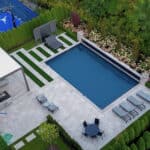
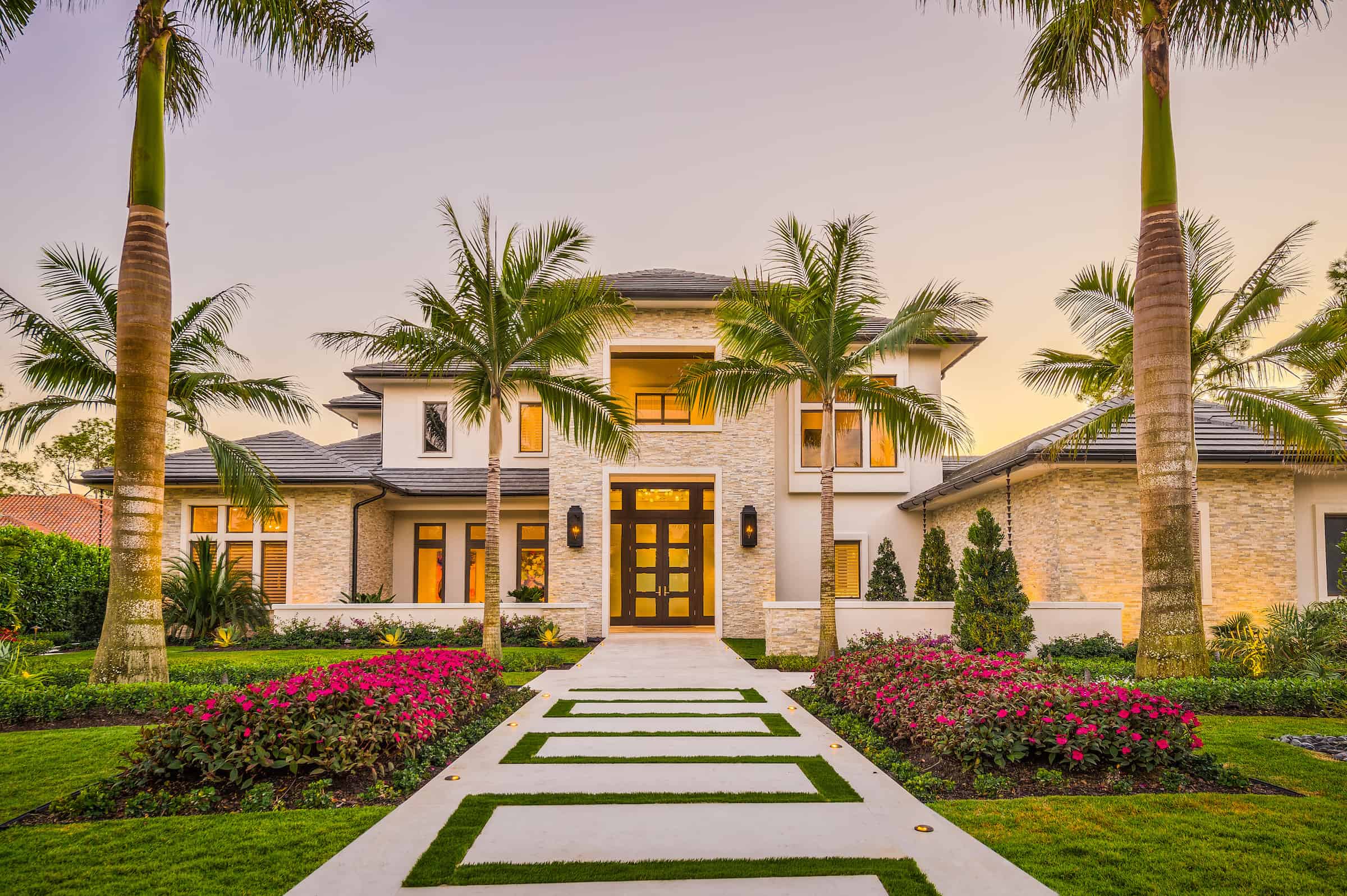
Suggested Alt Text: Contemporary home featuring natural stone veneer across the exterior façade, entry walls, architectural columns, and outdoor living space.
For architects, interior designers, and home builders, exterior materials carry a significant responsibility. They establish the first impression of a building, help define its architectural identity, and must continue performing long after the project is complete.
Few materials accomplish those goals with the authenticity of natural stone veneer.
Natural stone has been part of architecture for centuries, yet its relevance is anything but historical. From contemporary residential façades and dramatic entry walls to substantial columns and sophisticated outdoor living spaces, stone brings texture, depth, and permanence to modern design.
When durability and visual permanence matter equally, natural stone is a natural choice.
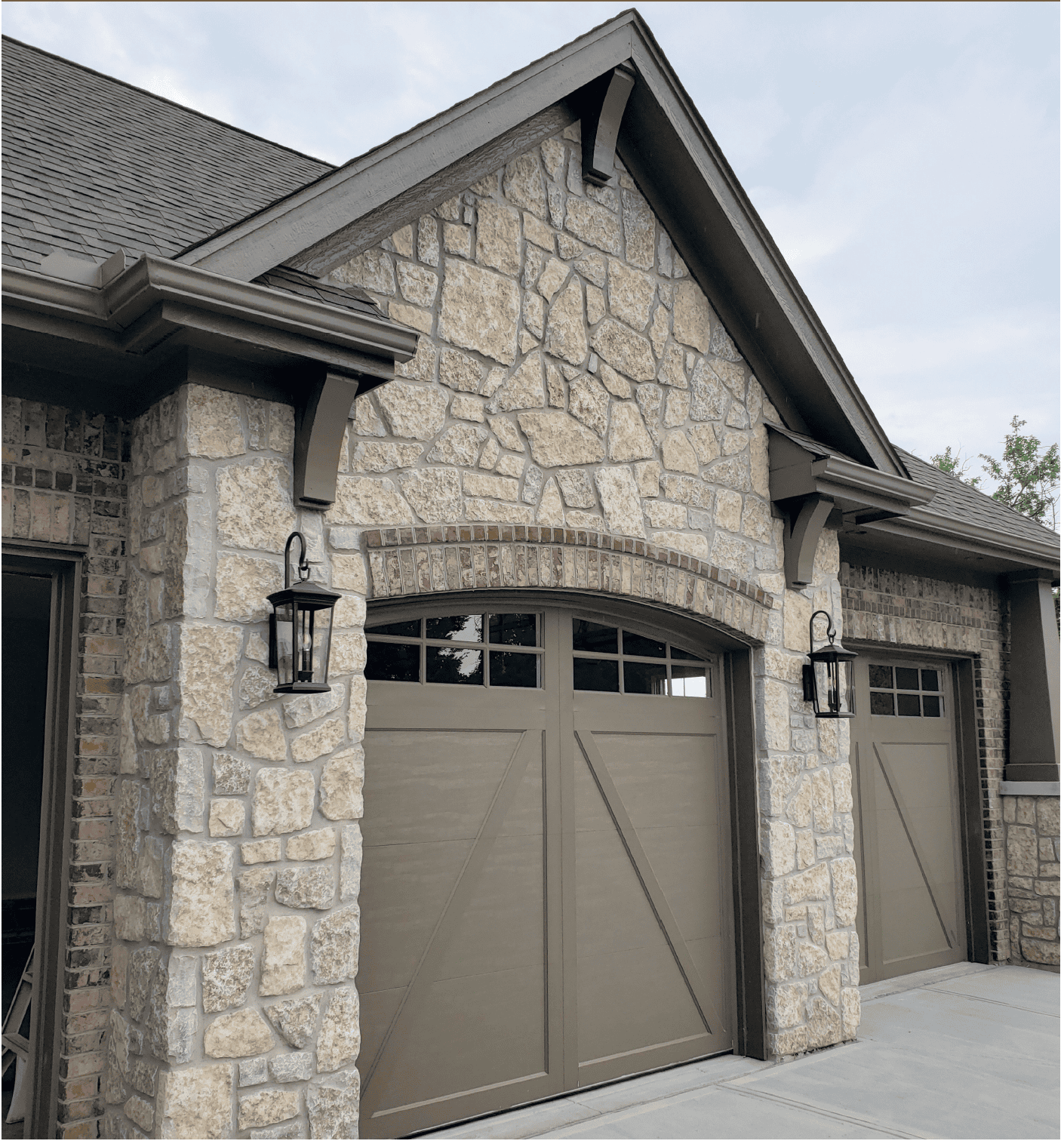
Why Natural Stone Remains an Enduring Architectural Material
Trends change. Natural materials have a way of transcending them. Part of the lasting appeal of natural stone comes from its inherent individuality. Variations in color, texture, mineral composition, veining, and surface character ensure that the finished installation doesn’t feel manufactured or overly uniform. That variation creates depth. Rather than simply covering a surface, stone can become an integral part of the architecture—giving walls dimension, establishing visual weight, and creating a connection between the built environment and the natural landscape surrounding it.
Natural stone is also remarkably versatile from a design perspective. Depending on the stone, profile, color, and surrounding materials, it can support architecture ranging from distinctly modern to transitional, traditional, rustic, and regionally inspired.
Realstone natural stone panels are available in materials including quartzite, slate, travertine, sandstone, limestone, marble, and granite, providing designers with a broad range of natural aesthetics to explore. The same material category can communicate dramatically different architectural ideas.
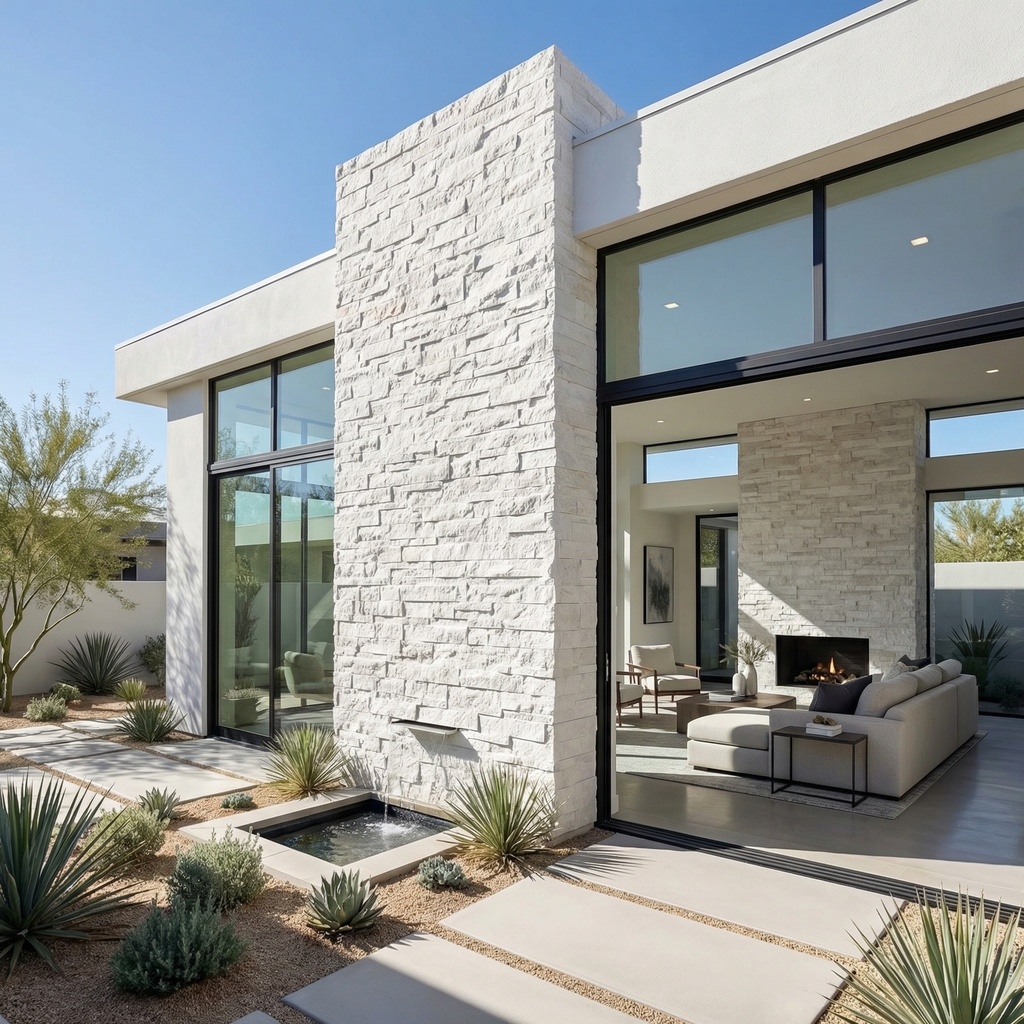
Natural Stone Façades Create Lasting Architectural Presence
The façade is where material, form, proportion, and landscape first come together. Natural stone can give an exterior the visual substance needed to make that composition feel grounded and permanent.
It doesn’t necessarily mean designing an entirely stone-covered building. Some of the most effective applications use natural stone strategically.
Stone can define a primary architectural volume, establish the base of a structure, emphasize a prominent elevation, frame an entrance, or provide contrast against smoother exterior materials. Realstone natural stone veneer panels provide architects and designers with options for incorporating genuine stone into residential and commercial architecture or contemporary projects, that contrast can be particularly powerful.
Pairing the dimensional texture of natural stone with glass, wood, metal, or smooth wall surfaces creates a dialogue between materials. Smooth meets textured. Refined meets organic. Manufactured precision meets natural variation.
The result can be an exterior that feels contemporary without sacrificing warmth. For designers and builders, this flexibility makes stone much more than an exterior finish. It becomes another tool for articulating the architecture.
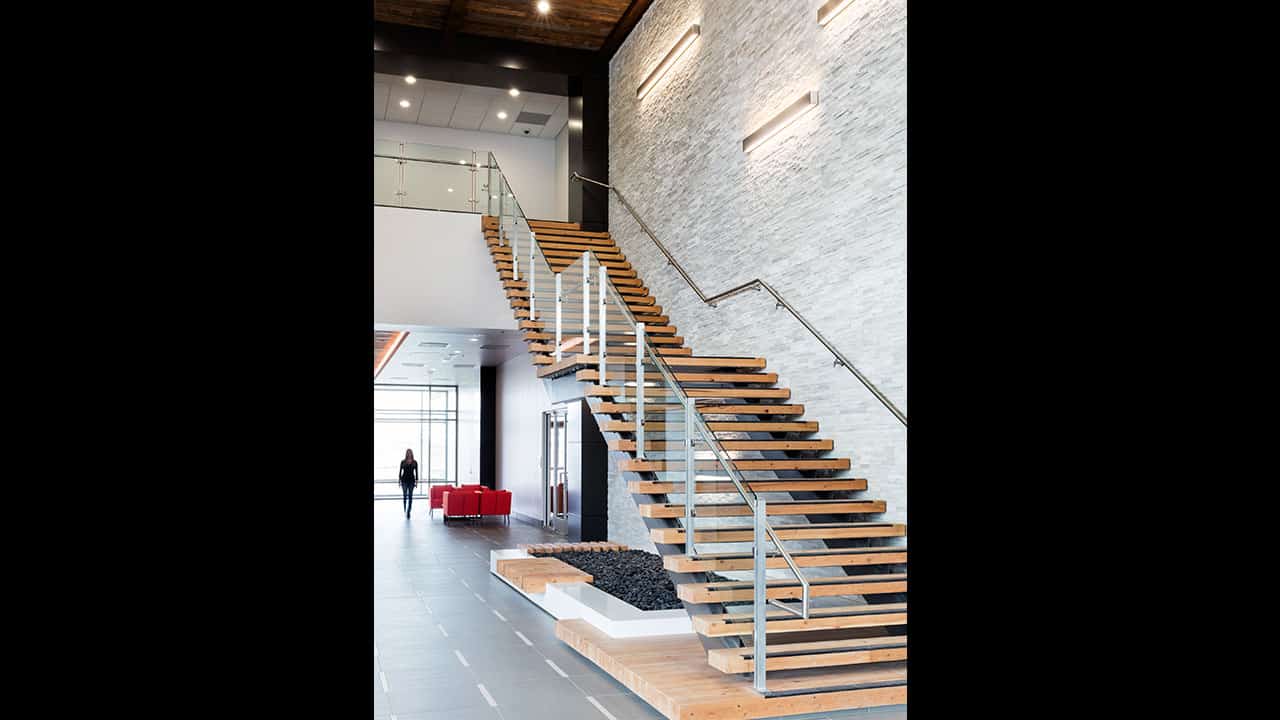
Make the Entry an Architectural Focal Point
An entrance should do more than identify where someone walks through the door. It should create an experience.
Natural stone entry walls can establish that sense of arrival by bringing texture and material depth to one of the most important focal points of a home or building.
A stone feature wall can visually distinguish a recessed entrance. Stone surrounding an oversized front door can give the opening greater architectural significance. Extending the material from an exterior entry into an interior foyer can also establish continuity between the two environments.
That continuity is increasingly valuable as architectural boundaries become less rigid. When exterior and interior materials relate to one another, the building feels more cohesive. Instead of treating the façade, entrance, and interior as separate design exercises, natural stone can provide a visual thread connecting them. Design professionals looking for application ideas can explore Realstone project inspiration to see how stone is incorporated into different architectural environments.

Give Columns the Visual Weight They Deserve
Columns naturally communicate structure and support. Stone can reinforce that visual message.
Wrapping exterior columns in natural stone gives them texture, mass, and presence, helping visually anchor covered entrances, porches, patios, porte-cochères, and other architectural features.
Columns also illustrate why the details surrounding a stone specification matter. Unlike a large uninterrupted wall, a column is viewed from multiple directions. Corners are prominent, and transitions are difficult to conceal. The success of the installation therefore depends on more than choosing an attractive flat stone panel. It requires thinking about how the material will turn the corner.
Matching natural stone corners help preserve the appearance of dimensional masonry and create a more continuous transition from one face to another. Realstone’s corner systems are designed to coordinate with panels and create inside and outside corners.
For architects and designers, considering these details during specification can contribute significantly to the finished result. Realstone’s revolutionary fingered corners easily create inside or outside corners at various angles speeding up the installation time.
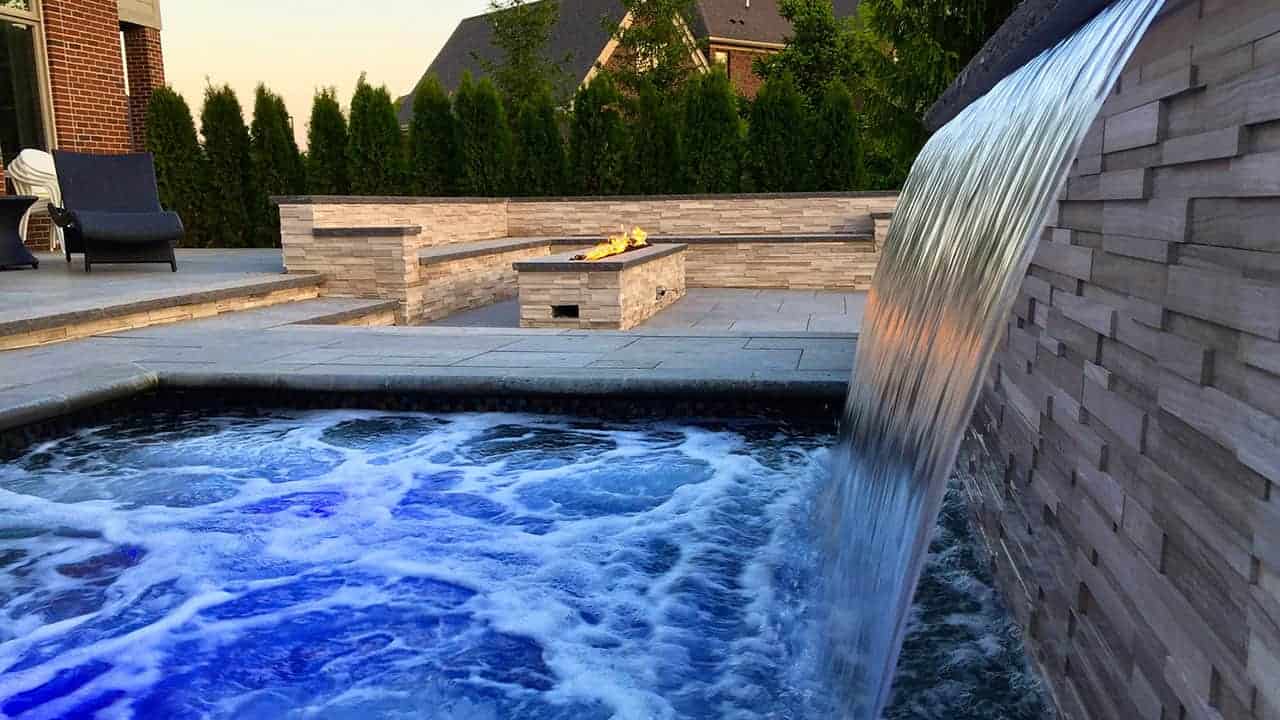
Extend Natural Stone into Outdoor Living Spaces
Outdoor living has evolved well beyond the traditional patio. Today’s outdoor environments can function as kitchens, dining rooms, lounges, entertainment spaces, and gathering areas. As these spaces become increasingly sophisticated, the materials used within them are being held to the same design standards as those inside the home.
Natural stone is particularly well suited to this transition. Stone can be incorporated into outdoor kitchens, fireplaces, feature walls, entertainment areas, columns, and architectural surrounds, helping these spaces feel intentionally connected to the home rather than added afterward. Repeating stone from the exterior architecture within an outdoor living environment can be especially effective.
A stone used on the façade might reappear on an outdoor fireplace. Material surrounding the home’s entrance could continue onto columns supporting a covered terrace. An architectural feature wall might become the visual backdrop for an outdoor kitchen or entertaining area.
These repetitions create continuity without requiring every surface to match. The result is an outdoor environment that feels like a genuine extension of the architecture.
Matching Corners Matter to the Finished Design
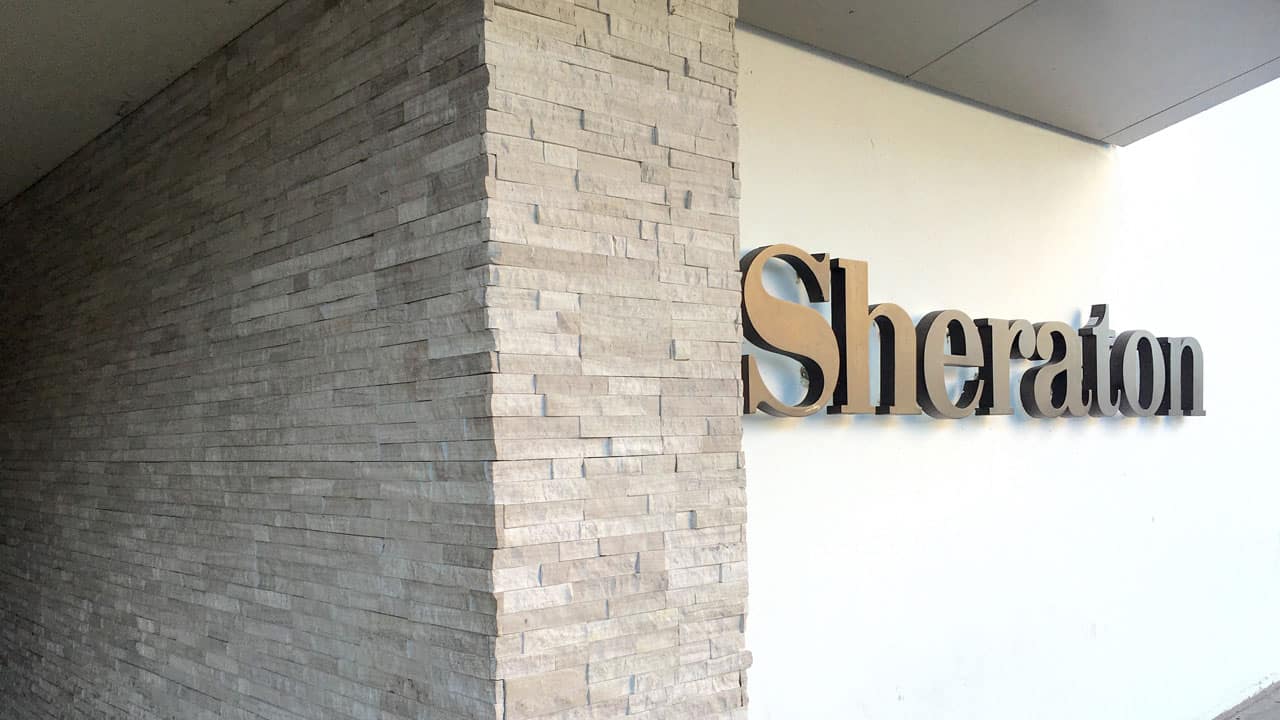
A natural stone specification isn’t complete simply because the color and profile look right. Details matter. Outside corners, columns, wall returns, openings, and transitions can all influence whether the finished installation appears cohesive. That makes coordinated corner pieces an important consideration early in the specification process.
Matching corners allow stone to transition around outside corners, columns, wall returns, and other architectural forms while maintaining a dimensional appearance.
This is particularly valuable on highly visible features such as entry walls and columns, where a poorly resolved corner can interrupt an otherwise carefully composed design.
Realstone uses a jointless, dry-stacked installation system in which panels and corners are designed to fit tightly together. Architects, designers, installers, and builders can also access installation information and technical guidance through Realstone’s professional resources.
For project planning, Realstone’s stone and tile project calculator can help estimate material quantities while accounting for surfaces, openings, and corners.

More Natural Stone Choices Create Greater Design Freedom
Material selection becomes considerably more powerful when professionals aren’t forced to design around a limited palette.
Realstone offers 80 natural stone options, including the industry’s largest selection of 68 natural stone panels with matching corners.
That breadth gives architects, interior designers, and home builders significantly more freedom when developing a project’s material story.
Rather than choosing stone based solely on what is available in a limited number of profiles, designers can explore differences in color, texture, scale, stone type, finish, and architectural character.
That choice matters because stone isn’t simply decorative.
The profile selected for a minimalist contemporary residence may need to communicate something entirely different from the stone chosen for a warm transitional home, a mountain retreat, or a commercial hospitality project.
A broader palette makes it easier to find a natural material that complements the architecture rather than forcing the architecture to accommodate the material.
Just as importantly, the availability of matching corners across 68 natural stone panel options gives specifiers greater flexibility when carrying their chosen stone onto columns, wall returns, entrances, and other multidimensional architectural features.
It’s design freedom backed by practical detailing options.
Natural Variation Is Part of the Design
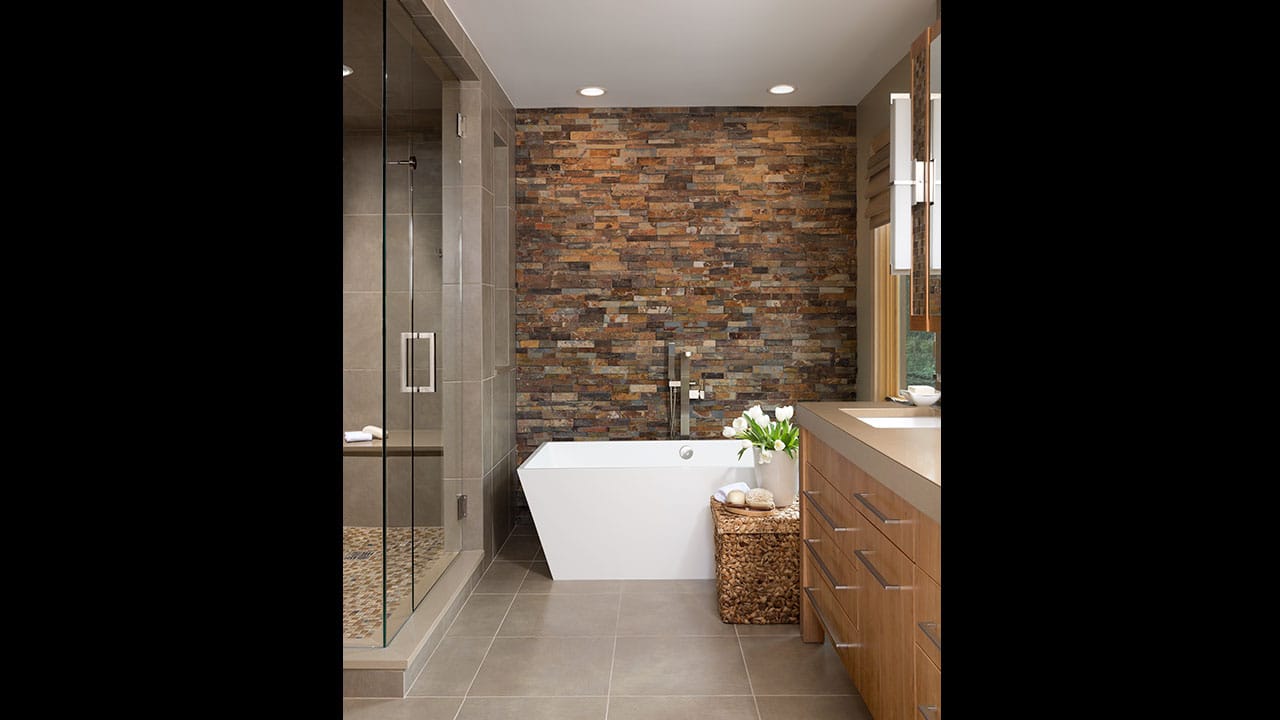
One of the most important distinctions between natural stone and manufactured materials is also one of its greatest strengths: variation.
Natural stone isn’t supposed to look identical from piece to piece.
Differences in tone, texture, veining, mineral characteristics, and surface appearance are inherent to genuine quarried stone. Instead of treating those differences as imperfections, designers can use them to create richer, more dynamic surfaces.
That makes material selection particularly important.
The objective isn’t necessarily to find a stone where every piece looks the same. It’s to understand the overall range of the material and consider how those variations will work together across the completed installation.
For large façades and feature walls, this natural movement can create depth that changes subtly depending on distance, daylight, shadows, and viewing angle.
The wall becomes more than a background surface.
It becomes part of the visual experience of the building.
Specify Stone as Part of the Architecture, Not an Afterthought
The strongest natural stone applications are often the ones considered early in the design process.
Rather than selecting stone after the building’s major forms have already been established, architects and designers can think about where the material belongs from the beginning.
Where should the stone start and stop?
Which architectural volumes should it emphasize?
How will it transition around corners?
How will openings interrupt the pattern?
Will the stone continue onto columns?
Should the same material appear at the entrance or in an outdoor living space?
How will it interact with adjacent wood, metal, glass, stucco, or other exterior materials?
These questions transform stone from surface decoration into an architectural element.
Early consideration can also help builders anticipate transitions, quantities, corners, cuts, and other installation details before construction reaches the finishing stages.
For professionals working through these decisions, Realstone provides architectural and professional resources, including technical documents, specification information, CAD details, Revit resources, product presentations, and continuing education resources.
The objective is not simply to add stone.
It’s to design with stone.
Why Choose Natural Stone for Exterior Architecture?
Natural stone combines qualities that are difficult to replicate with a single material: authentic texture, dimensional character, design versatility, durability, and a sense of permanence.
For professionals creating spaces intended to remain relevant for years to come, those characteristics matter.
Architecture inevitably responds to changing design preferences, technologies, and lifestyles. Natural stone offers an opportunity to introduce something less dependent on the moment—a material shaped by nature rather than a passing aesthetic trend.
Used thoughtfully, it can ground a contemporary façade, give an entrance greater significance, provide visual substance to columns, or connect the architecture to an outdoor living environment.
And because no two pieces of natural stone are exactly alike, each installation develops its own identity.
Design with a Material Made to Last
Great architecture is often defined by materials that feel inevitable—as though they belong to the building and the place where it stands.
Natural stone has that ability. Its texture can add warmth to modern architecture. Its dimensionality can create depth across expansive façades. Its visual weight can strengthen entrances and columns. And its connection to the natural world can make outdoor living environments feel more integrated with the landscape.
For architects, interior designers, and home builders, the goal isn’t simply to choose an exterior material that looks compelling when the project is photographed. It’s to specify materials with lasting architectural value.
With 80 natural stone options and an industry-leading selection of 68 natural stone panels with matching corners, Realstone Systems gives design professionals an expansive natural stone palette for turning those ideas into enduring spaces.
Because when durability and visual permanence matter equally, natural stone doesn’t simply finish the architecture—it becomes part of it.
Frequently Asked Questions About Designing with Natural Stone
Is natural stone veneer suitable for exterior façades?
Yes. Natural stone veneer can be used to create full façades or strategically placed architectural features. Depending on the design, stone can define major building volumes, entrances, lower elevations, feature walls, columns, and other exterior elements. Appropriate product selection, substrate preparation, installation methods, and applicable building requirements should always be considered for the specific project. Realstone provides additional answers about interior and exterior applications in its natural stone FAQs.
Can natural stone veneer be used on exterior columns?
Yes. Natural stone is frequently used to give exterior columns greater visual weight and architectural presence. Coordinated corner components are particularly valuable on columns because multiple sides of the installation remain visible.
Where can natural stone be used in outdoor living spaces?
Natural stone can be incorporated into outdoor kitchens, fireplaces, feature walls, columns, entertainment areas, and other architectural surfaces. Repeating a stone used on the home’s exterior can also create stronger visual continuity between the architecture and outdoor living environment.
Why are matching stone corners important?
Matching corners help natural stone transition around outside corners, columns, wall returns, and other multidimensional architectural conditions while maintaining a cohesive appearance. They can be particularly important when stone is used as a prominent architectural feature rather than a simple flat accent wall.
Does natural stone vary in color and texture?
Yes. Natural variation is an inherent characteristic of genuine stone. Differences in tone, texture, veining, mineral characteristics, and surface appearance contribute to the material’s authentic character and make every installation unique.
How should architects choose natural stone for an exterior project?
Consider the overall architectural concept first, followed by color, profile, texture, scale, adjacent materials, environmental conditions, installation requirements, and the way the stone will transition around corners and architectural features.
Thinking about stone early in the design process can help create a more integrated result. Architects and design professionals can explore Realstone’s professional project resources for technical documents, specification resources, CAD details, Revit files, and additional project support.