
Which Type of Natural Stone Is Best for Your Project? A Complete Guide
Choosing natural stone involves more than finding a color you like. Different types of stone offer distinct colors, textures, finishes and visual characteristics—and the right choice depends on where the material will be installed and the design you want to create.
So, which type of natural stone is best for your project?
The short answer is:
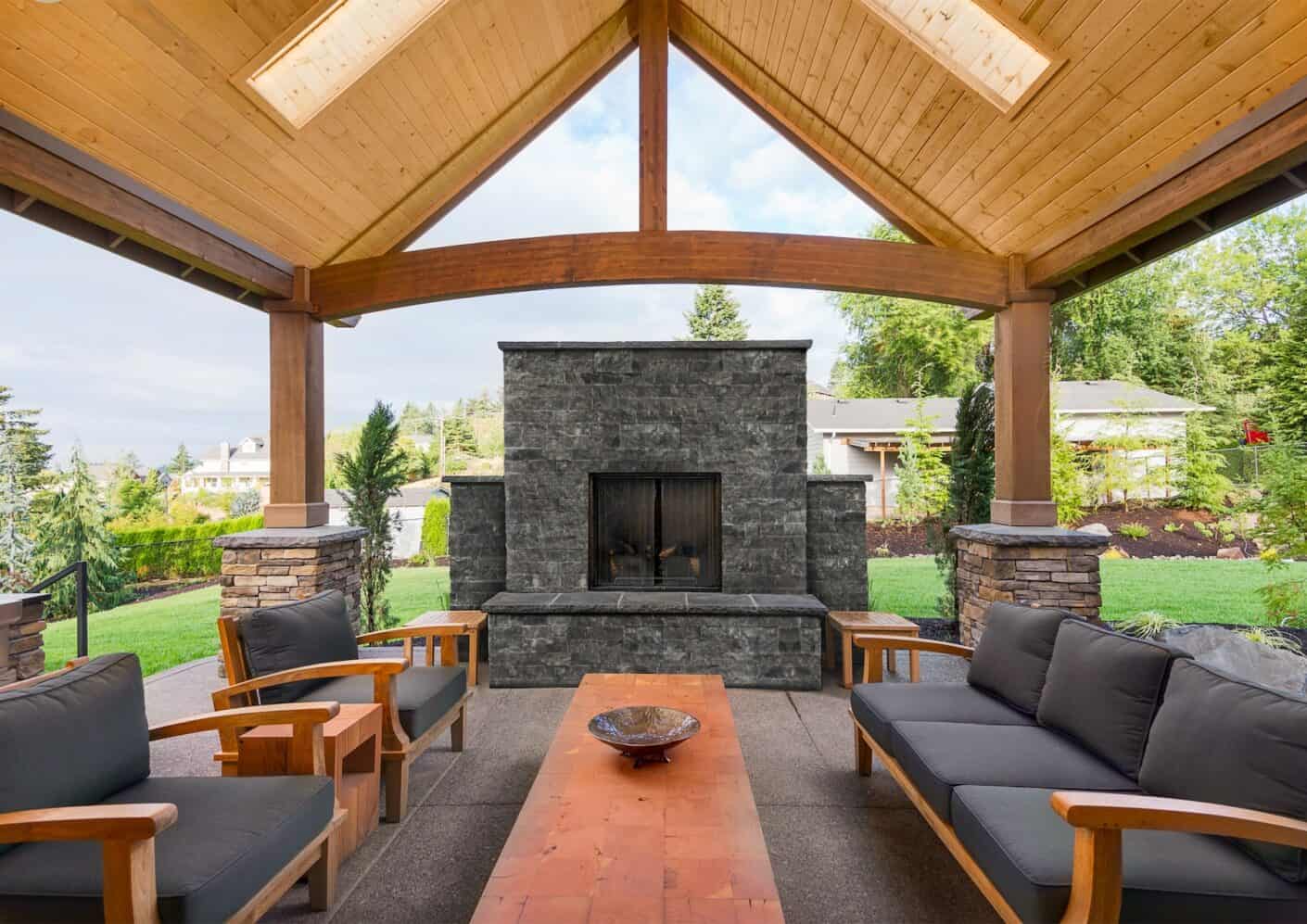
Limestone is an excellent choice for warm, timeless architecture and is available in options for fireplaces, exterior walls and traditional masonry-inspired designs.
Quartzite offers significant texture, natural variation and a broad range of options for interior and exterior walls.
Marble brings a refined appearance to fireplaces, feature walls, façades and other statement surfaces when the specific product is rated for the application.
Slate is a strong choice when rich earth tones, natural texture and dramatic variation are important to the design.
Sandstone can range from warm architectural hearth material to decorative glazed interior stone, so the specific product and application matter.
Granite provides a distinctive natural stone option for projects requiring a strong architectural appearance, with Realstone options available for interior and exterior wall applications.
There isn’t one natural stone that’s best for every project. The best choice is the stone whose appearance, format, finish and approved applications align with what you’re building.
Natural Stone Types Compared at a Glance
| Natural Stone | General Design Character | Realstone Applications to Explore | Especially Worth Considering For |
|---|---|---|---|
| Limestone | Warm, timeless, architectural | Fireplaces, exteriors, walls, hardscape | Traditional and transitional architecture |
| Quartzite | Textural, dimensional, varied | Exteriors, interiors, walls, water features | Feature walls and dimensional cladding |
| Marble | Refined, elegant, distinctive | Fireplaces, exteriors, interiors, walls | Statement fireplaces and sophisticated feature walls |
| Slate | Organic, earthy, textural | Exteriors, interiors, walls, water features | Rustic, transitional and nature-inspired designs |
| Sandstone | Varies significantly by finish | Hearths, interior decorative walls and other product-specific uses | Warm surfaces and distinctive interior finishes |
| Granite | Strong, refined, architectural | Exteriors, interiors, walls, water features | Contemporary and high-contrast designs |
Important: Natural stone performance and recommended uses vary by the individual product—not simply by geological stone type. Always check the specifications for the exact product you’re considering before selecting stone for an exterior, fireplace, wet area or other specialized application.
Explore all Realstone natural stone products to compare colors, formats, finishes and recommended applications.
Limestone: Warm, Timeless and Architecturally Versatile
What Does Limestone Look Like?
Limestone is known for an understated, natural appearance that can range from creamy beige and warm buff to grey, charcoal and multitone blends.
Depending on the stone and finish, limestone can feel smooth and refined, weathered and rustic, or substantial and traditionally architectural.
That versatility makes it particularly useful when the goal is to create a design that feels established rather than trend-driven.
What Are the Characteristics of Limestone?
Limestone tends to work particularly well in designs that emphasize warmth, natural texture and timelessness.
The finished appearance can change dramatically depending on how the stone is processed.
A honed limestone can feel refined and contemporary.
A tumbled limestone can have softer edges and a more weathered character.
Split-face or ledgestone limestone can create more texture and shadow.
The result is that “limestone” isn’t one aesthetic. The stone profile and finish are just as important as the material itself.
Where Can Limestone Be Used?
Depending on the individual product, Realstone limestone options can be used for applications including:
- Fireplaces
- Exterior façades
- Feature walls
- Outdoor living spaces
- Wall caps
- Sills
- Hearths
- Columns
- Hardscape elements
- Residential and commercial architecture
Realstone Limestone Examples
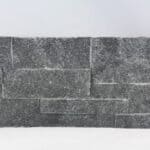
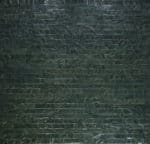
For a dark, architectural interpretation of limestone, explore Carbon Estate Stone. Its dark grey coloration and more uniform Estate Stone pattern make it an option for applications ranging from fireplace stone to commercial exterior walls.
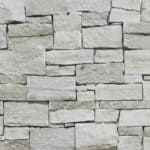
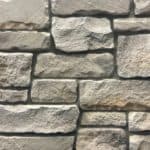
For a more traditional loose-stone appearance, Rixxford Gable Ledgestone uses natural limestone with brown, grey, tan and black coloration. It’s available in thin veneer, full bed and corners, allowing designers and builders to carry a related masonry aesthetic across different architectural conditions.
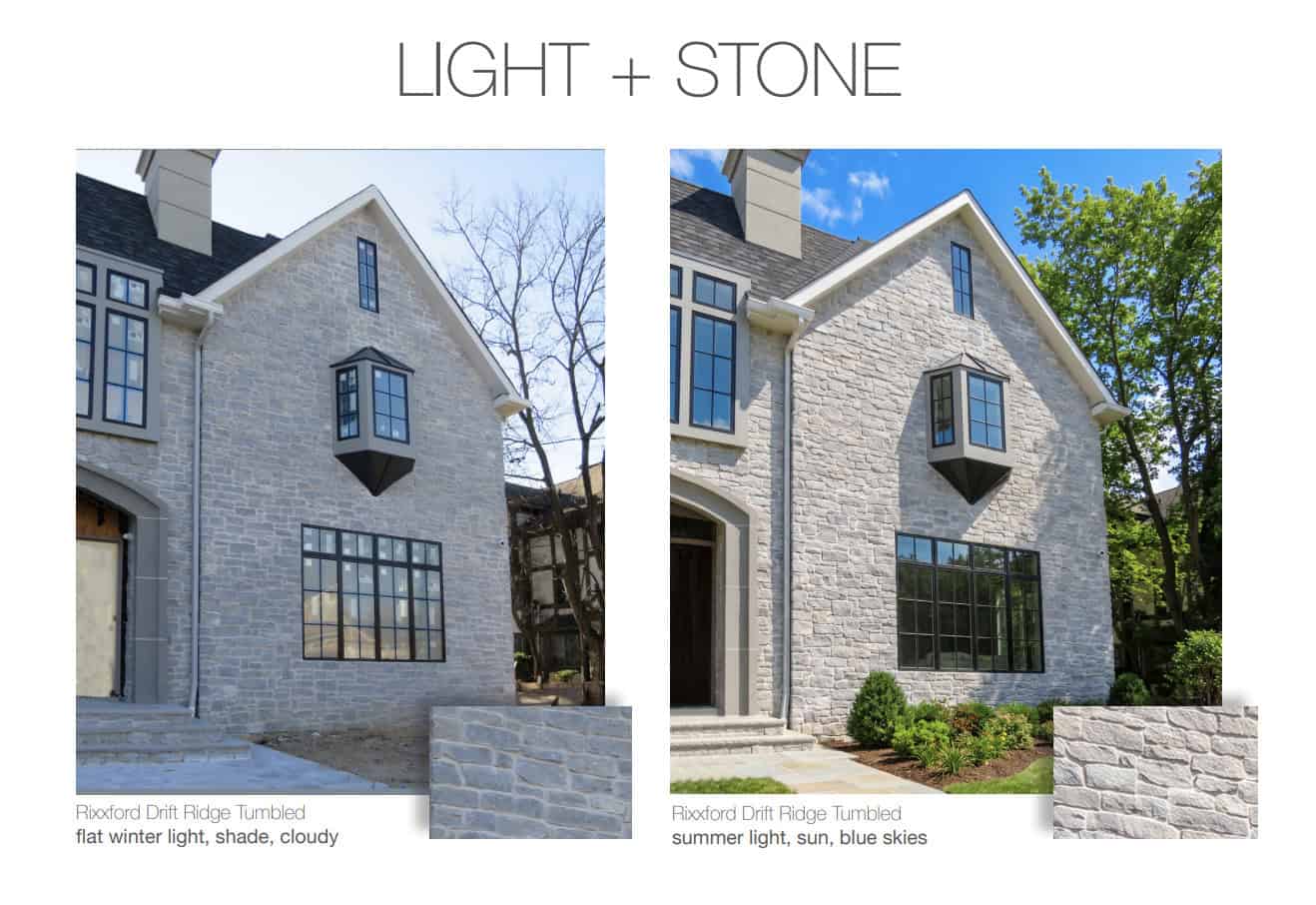
For a softer, weathered look, Rixxford Drift Ridge Tumbled uses tumbled limestone in shades of light grey, gold and blue-grey.
Realstone also offers Indiana Limestone hearths, sills and wall caps for projects requiring substantial architectural finishing pieces.
Consider limestone when: You want natural stone with a timeless architectural character and options ranging from clean and refined to traditional and organic.
Quartzite: Dimensional Texture and Natural Variation
What Does Quartzite Look Like?
Quartzite can create highly dimensional surfaces with pronounced natural variation.
Depending on the specific stone, its palette can range from bright whites and soft neutrals to golds, greys and complex earth tones.
Its texture interacts particularly well with light.
When directional or natural light moves across a dimensional quartzite wall, changes in stone depth create shadows and highlights that can make the surface look different throughout the day.
What Are the Characteristics of Quartzite?
Quartzite works especially well when the stone itself is intended to become a major visual element.
Rather than acting simply as a background material, a dimensional quartzite installation can create movement across a wall through variations in stone depth, texture and color.
Realstone offers quartzite in multiple panel profiles, providing designers with different ways to control that effect.
Where Can Quartzite Be Used?
Depending on the product, Realstone quartzite panels are available for applications including:
- Exterior walls
- Interior walls
- Residential projects
- Commercial projects
- Water features
- Architectural feature walls
- Columns and wall returns when coordinating components are available
Realstone Quartzite Examples
Arctic White Shadowstone uses bright white natural quartzite cut into thin pieces to create a highly textured surface. Coordinating corners and natural ends make it possible to continue the material around architectural transitions.
For a warmer palette, Sierra Shadowstone incorporates muted earth tones and natural variation into Realstone’s dimensional Shadowstone profile.
For projects calling for a more substantial pattern, Greystone Gold Estate Stone combines grey and gold hues with a split-face finish and a larger Estate Stone format.
Consider quartzite when: Texture, dimensionality and the interaction between stone and light are important parts of the design.
Marble: Refined Natural Stone with Statement-Making Character
What Does Marble Look Like?
Marble is often associated with refined interiors, but its appearance extends far beyond traditional polished slabs.
In dimensional natural stone veneer, marble can feel textural, warm and architectural.
Colors can range from crisp whites to warmer creams and other natural tones, while mineral variation and inclusions give the surface individuality.
What Are the Characteristics of Marble?
Marble is especially effective when you want natural stone to communicate refinement while retaining authentic variation.
Finish makes an enormous difference.
A smooth or honed marble surface can feel quiet and sophisticated, while a ledgestone profile introduces more shadow and texture.
This makes marble capable of working across both contemporary and transitional environments.
Where Can Marble Be Used?
The exact product specifications matter, but selected Realstone marble products are suitable for:
- Fireplaces
- Exterior applications
- Interior walls
- Feature walls
- Hardscape
- Residential projects
- Commercial projects
Realstone Marble Example: Playa
Playa Ledgestone is an excellent example of marble being used beyond a conventional polished-stone aesthetic.
Playa is natural marble with a creamy off-white palette and naturally occurring fossilized shell and coral inclusions. Its dimensional panel format gives the material depth while maintaining a light, refined appearance.
Realstone lists Playa for fireplace, commercial, exterior, hardscape, interior, residential and wall applications, making it an unusually versatile choice for designers who want a lighter natural stone palette.
Consider marble when: You want natural stone to feel refined, light and distinctive while still providing authentic texture and variation.
Slate: Rich Earth Tones and Organic Texture
What Does Slate Look Like?
Slate can bring some of the richest coloration in the natural stone palette.
Rather than displaying one uniform color, slate can include layers of browns, rust, ochre, blue-grey and other earth tones.
That variation gives the material a particularly organic character.
Slate can work beautifully when a project needs to relate visually to landscaping, timber, metal, water or other natural materials.
What Are the Characteristics of Slate?
Slate’s character is heavily influenced by its surface.
A natural finish can showcase layered variation.
A split-face treatment creates deeper texture and catches changing light across the surface.
This makes slate particularly effective on walls where depth and shadow are desirable.
Where Can Slate Be Used?
Depending on the specific product, Realstone slate is available for:
- Exterior walls
- Interior walls
- Feature walls
- Residential architecture
- Commercial architecture
- Hardscape
- Water features
Realstone Slate Examples
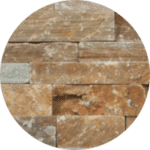
Terracotta Shadowstone combines slate with a linear dimensional profile and warm earth tones.
For more pronounced texture, Terracotta Ledgestone uses a split-face finish to emphasize the stone’s deep rust and warm ochre coloration.
Matching corner and end components are available within the Terracotta collection, making it possible to carry the material around columns, fireplace returns and other architectural conditions.
Consider slate when: You want strong natural variation, rich earth tones and an organic connection between architecture and its surroundings.
Sandstone: Warm Character with Product-Specific Possibilities
What Does Sandstone Look Like?
Sandstone is an excellent example of why natural stone shouldn’t be selected by material name alone.
Its appearance can vary substantially depending on color, cut and finish.
Realstone uses sandstone in products ranging from substantial hearth pieces to highly decorative glazed interior tiles.
That means the question shouldn’t simply be, “Is sandstone good for my project?”
A better question is, “Is this particular sandstone product designed for my application?”
What Are the Characteristics of Sandstone?
Sandstone’s naturally textured surface can provide warmth and visual depth, but treatments can transform its appearance dramatically.
Realstone’s Tempered collection, for example, uses sandstone as the natural stone base for decorative glazed tiles.
That creates a very different aesthetic and performance profile from an architectural sandstone hearth.
Where Can Sandstone Be Used?
Applications vary significantly by product.
Mocha Birch Honed Hearth is a sandstone hearth listed for residential, commercial, interior and exterior uses, among others.
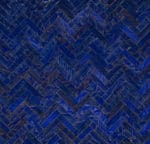
By comparison, Tempered Azure is glazed sandstone intended for decorative interior wall applications and is not appropriate for areas where its surface will exceed ambient room temperature.
This is precisely why checking individual product specifications matters.
Consider sandstone when: You find a sandstone product whose particular finish, format and approved applications match the design you’re creating.
Granite: Strong Architectural Character for Interior and Exterior Design
What Does Granite Look Like?
Granite is known for its distinctive mineral character and substantial architectural presence.
In a panelized wall format, it can create a very different impression from the granite countertops many homeowners are accustomed to seeing.
Instead of a broad polished slab, dimensional granite panels introduce joints, texture and shadow into the composition.
What Are the Characteristics of Granite?
Granite can work particularly well in architecture where a strong, sophisticated natural material is needed.
Depending on color and finish, it can complement contemporary homes, commercial environments and designs built around darker or more restrained palettes.
Where Can Granite Be Used?
Selected Realstone granite products are available for:
- Exterior walls
- Interior walls
- Residential projects
- Commercial projects
- Water features
- Feature walls
Realstone Granite Example: Nero
Nero Honed is a granite panel with a honed finish. Realstone lists it for commercial, exterior, interior, residential, wall and water-feature applications.
The collection also includes coordinating components such as corners, hearths, tiles and ends, allowing the material to continue across multiple architectural details.
Consider granite when: You want a strong natural stone presence with a refined architectural character, particularly in contemporary or high-contrast environments.
What Is the Best Natural Stone for a Fireplace, Exterior or Feature Wall?
There isn’t a single stone type that’s automatically best for every application. The table below provides a useful starting point based on the appearance and Realstone product options available for each application.
| Project | Natural Stones to Consider | Why |
|---|---|---|
| Fireplaces | Limestone, marble, sandstone hearth products and other fireplace-rated natural stone | Offers choices ranging from warm traditional masonry to light, refined statement surfaces |
| Exterior walls | Limestone, quartzite, marble, slate and granite products rated for exterior use | Provides authentic texture, architectural depth and a wide range of colors |
| Contemporary homes | Quartzite, marble, granite, select limestone | Works particularly well with linear profiles, refined finishes and restrained palettes |
| Traditional homes | Limestone, slate, loose natural stone | Offers warm coloration, traditional masonry character and organic variation |
| Feature walls | Quartzite, marble, slate, limestone, granite and interior-rated sandstone | Texture, depth, color and natural variation can turn the wall into a focal point |
The best choice should always be confirmed at the individual product level because products made from the same general type of stone can have different finishes, formats and approved applications.
What Is the Best Natural Stone for a Fireplace?
The best natural stone for a fireplace is one that is specifically suitable for the fireplace application and complements the architecture of the room.
For a substantial, traditional look, limestone can be an excellent starting point.
For a light, refined fireplace, consider an appropriate marble product such as Playa.
For highly dimensional surfaces, explore Realstone’s natural stone products and filter selections according to application and aesthetic.
Remember that not every decorative stone product should be exposed to fireplace temperatures. Always confirm the exact product’s specifications and the fireplace manufacturer’s clearance and installation requirements.
What Is the Best Natural Stone for Exterior Walls?
Limestone, quartzite, marble, slate and granite can all be options for exterior walls when the individual product is approved for exterior installation.
Rather than choosing solely by stone type, consider:
- Climate
- Freeze/thaw conditions
- Wall assembly
- Color
- Stone profile
- Architectural style
- Corners and transitions
- Installation requirements
- Maintenance
- Adjacent exterior materials
Realstone states that most of its products are intended for both indoor and outdoor use with proper installation, but exceptions and product-specific restrictions apply.
Always verify the specifications of the exact stone you’re considering.
What Is the Best Natural Stone for a Contemporary Home?
For contemporary architecture, consider quartzite, marble, granite and refined limestone products.
The reason isn’t that these materials are inherently “modern.” It’s that Realstone offers them in profiles and finishes capable of supporting contemporary architecture.
A bright white dimensional quartzite such as Arctic White can contrast beautifully with black metal and wood.
A light marble such as Playa can create a quieter, more refined surface.
A honed granite such as Nero can provide a darker architectural statement.
The stone profile, color and finish ultimately determine whether the material supports the architecture.
What Is the Best Natural Stone for a Traditional Home?
Limestone and richly colored slate are excellent materials to explore for traditional and transitional homes.
Loose limestone veneer can create a more individually laid masonry appearance, while Estate Stone panels can provide a substantial architectural pattern in a panelized format.
Warm slate can introduce the color variation and texture often associated with established, nature-inspired architecture.
Again, there isn’t a single correct answer.
The objective is to choose stone that feels integrated into the architecture rather than applied to it afterward.
What Is the Best Natural Stone for a Feature Wall?
A feature wall gives you greater freedom to make the stone itself the focal point.
Quartzite can create dramatic dimensional texture.
Marble can produce a lighter, more refined statement.
Slate can introduce rich natural coloration.
Granite can create sophisticated contrast.
Limestone can provide warmth and timelessness.
Decorative sandstone can introduce color and unusual surface treatments in appropriate interior applications.
For inspiration, browse Realstone’s completed project gallery to see different stone materials used across fireplaces, feature walls, exteriors and outdoor living spaces.
How Should You Choose a Natural Stone?
Don’t begin by asking which stone is universally best.
Instead, work through the project in this order.
1. Determine the Application
Is the stone going on a fireplace, exterior façade, interior feature wall, outdoor kitchen, column or water feature?
Application requirements should narrow the options first.
2. Choose the Architectural Character
Decide whether the project should feel contemporary, traditional, rustic, transitional or intentionally eclectic.
3. Consider Color and Undertones
Look beyond “grey,” “white” or “beige.”
Consider warm versus cool undertones and how the stone relates to flooring, cabinetry, siding, roofing, wood, metal and paint.
4. Compare Texture and Profile
A smooth honed limestone and rugged ledgestone can communicate completely different architectural ideas even if their colors are similar.
5. Look at the Whole System
Does the stone have coordinating corners?
Are hearths, ends, wall caps or other accessories required?
Thinking about those conditions before ordering can create a much more cohesive installation.
6. View a Physical Sample
Natural stone varies.
Computer screens also display color differently, and lighting conditions can dramatically affect how a textured surface appears.
Realstone allows customers to order samples from individual product pages so stone can be evaluated alongside the project’s actual materials.
7. Confirm Technical Requirements
Before making the final selection, verify the product’s listed applications, substrate requirements, installation method, maintenance requirements and relevant building codes.
Realstone provides installation guides and videos as well as additional technical and professional resources.
Natural Stone Is Not a One-Size-Fits-All Material
That’s precisely what makes it such a powerful design material.
Limestone can feel quiet and timeless.
Quartzite can make texture the defining element.
Marble can bring refinement to a fireplace or façade.
Slate can connect architecture to an earthy palette.
Sandstone can take on dramatically different personalities depending on how it’s finished.
Granite can provide strength and visual presence in contemporary architecture.
And within each material category, color, profile, finish and format create another layer of possibilities.
Realstone offers natural stone in quartzite, slate, sandstone, limestone, marble and granite, giving homeowners, architects, designers and builders a broad palette for creating spaces with genuine material character.
Explore Realstone natural stone products or browse Realstone project inspiration to start narrowing the possibilities.
Because the best natural stone isn’t simply the one that looks good on a sample board.
It’s the stone that looks like it was always meant to be part of your project.
Frequently Asked Questions About Choosing Natural Stone
Which Type of Natural Stone Is Best for a Home?
There is no single best natural stone for every home. Limestone, quartzite, marble, slate, sandstone and granite offer different colors, textures, finishes and applications. Start with the location and performance requirements, then choose the material and profile that complement the home’s architecture.
Which Natural Stone Is Best for an Exterior?
Limestone, quartzite, marble, slate and granite all have Realstone products rated for exterior use. The correct choice depends on the individual product, climate, wall assembly, desired appearance and installation requirements.
Which Natural Stone Is Best for a Fireplace?
Limestone and selected marble products are strong options to consider, along with other natural stone products specifically rated for the intended fireplace application. Choose based on the fireplace design, desired texture, color, substrate and technical requirements.
Is Quartzite Good for Exterior Walls?
Selected Realstone quartzite panels are listed for exterior applications. Products such as Arctic White Shadowstone and Sierra Shadowstone combine genuine quartzite with a panelized format and coordinating architectural components.
Can Marble Be Used Outside?
Some marble products can. For example, Realstone lists Playa marble for exterior as well as interior applications. Never assume every marble product is exterior-rated; verify the specifications of the individual product.
Is Slate Good for Exterior Stone Veneer?
Selected slate products are suitable for exterior applications. Realstone’s Terracotta Shadowstone and Terracotta Ledgestone, for example, are listed for exterior use. Product-specific restrictions and installation requirements still apply.
Is Granite Available as Stone Veneer?
Yes. Realstone offers granite in panelized natural stone formats. Nero Honed is one example and is listed for exterior, interior, residential and commercial wall applications.
Should I Choose Natural Stone Based on Color or Stone Type?
Consider both, but application should come first. Confirm that the specific product is suitable for the project, then evaluate color, undertone, texture, profile, format and coordinating components.
Does Natural Stone Vary in Color?
Yes. Natural variation is an inherent characteristic of genuine stone. Color, mineral characteristics, veining, texture and other details can vary between pieces. That variation is part of what gives natural stone its authentic appearance.
Where Can I Compare Realstone Natural Stone Options?
Visit Realstone’s natural stone product collection to compare available materials, colors, profiles, formats and applications.