

 Reclaimed Wood for Homes and Businesses: Design Ideas, Benefits, and Inspiration
There is something undeniably captivating about reclaimed wood. Its rich textures, weathered surfaces, natural imperfections, and distinctive grain patterns bring a sense of warmth and authenticity that is difficult to replicate with newly manufactured materials. Whether incorporated into a cozy residential living room or a sophisticated commercial space, reclaimed wood transforms ordinary interiors into inviting environments filled with character.
From dramatic accent walls and exposed ceiling beams to custom furniture and architectural details, reclaimed wood interiors offer an exceptional combination of visual appeal, versatility, and sustainability.
For homeowners, reclaimed wood creates comfortable, personalized living spaces. For business owners, architects, and interior designers, it provides opportunities to establish memorable environments that reflect craftsmanship, individuality, and thoughtful design.
The beauty of reclaimed wood lies in its ability to complement nearly any interior aesthetic, from rustic farmhouse and industrial-inspired spaces to modern minimalist and luxurious contemporary interiors.
What Is Reclaimed Wood and Why Is It Popular in Interior Design?
Reclaimed wood is previously used timber that has been recovered, processed, and repurposed for new applications. Rather than being discarded during demolition or renovation, this wood receives a second life as flooring, wall paneling, ceiling treatments, furniture, and decorative architectural elements.
Reclaimed wood may originate from historic barns, warehouses, factories, agricultural buildings, old homes, and other structures.
Over time, exposure to natural elements, everyday use, and aging can produce distinctive characteristics, including weathered patinas, nail marks, knots, color variations, and unique grain patterns.
These details tell a story, giving reclaimed wood an authenticity that appeals to designers seeking materials with personality and depth.
Unlike mass-produced decorative finishes, reclaimed wood often features variations that make each installation visually distinctive.
Its popularity also reflects a growing appreciation for natural materials, adaptive reuse, and interiors that balance modern design with traditional craftsmanship.
The Benefits of Reclaimed Wood for Homes and Businesses
Reclaimed wood offers more than an attractive appearance. When properly sourced, prepared, and installed, it can provide practical and environmental advantages for residential and commercial projects.
1. Timeless Beauty and Natural Character
One of the most appealing qualities of reclaimed wood is its distinctive appearance.
Weathered surfaces, rich tones, natural grain patterns, and subtle imperfections create visual depth that adds warmth to interior spaces.
Whether used as a dramatic focal point or a subtle architectural accent, reclaimed wood introduces organic texture that softens contemporary materials and complements traditional interiors.
2. Sustainable and Environmentally Conscious Design
Reusing existing wood can reduce demand for newly harvested timber while keeping usable materials out of the waste stream.
By extending the useful life of existing building materials, reclaimed wood supports resource conservation and circular design principles.
The environmental benefits depend on factors such as sourcing, transportation, processing, finishing, and the condition of the recovered material.
For homeowners and businesses seeking more sustainable interior design solutions, responsibly sourced reclaimed wood can be a meaningful choice.
3. Versatility Across Interior Design Styles
Reclaimed wood is not limited to rustic interiors.
Its natural appearance works beautifully in contemporary homes, industrial lofts, modern offices, upscale restaurants, boutique hotels, and luxury retail environments.
The final aesthetic depends on the wood species, color, finish, plank dimensions, installation pattern, and surrounding materials.
4. Durability and Long-Term Appeal
Many reclaimed wood products originate from mature timber that has already served in buildings for decades.
When the wood remains structurally sound and is appropriately processed, it can provide years of reliable use.
However, age alone does not guarantee durability. Proper inspection, moisture management, and preparation are essential, particularly for flooring, furniture, and other frequently used surfaces.
5. A Distinctive and Memorable Interior
For residential spaces, reclaimed wood creates a welcoming atmosphere that feels comfortable and personal.
In commercial interiors, it can help establish a recognizable design identity.
A reclaimed wood reception wall, restaurant feature wall, or custom retail display can become a memorable architectural element that distinguishes a business from more conventional spaces.
Creative Ways to Use Reclaimed Wood in Home Interiors
Reclaimed wood offers almost endless possibilities for residential interior design. Whether used throughout a home or incorporated into a single statement feature, it adds texture, warmth, and architectural interest.
Reclaimed Wood Accent Walls: Creating a Beautiful Focal Point
A reclaimed wood accent wall is one of the most effective ways to introduce natural character into a room.
In living rooms, weathered wood paneling creates an inviting backdrop for sofas, artwork, and entertainment centers.
In bedrooms, reclaimed wood behind the headboard adds warmth and visual texture without overwhelming the space.
Entryways, home offices, dining rooms, and finished basements can also benefit from thoughtfully designed wood feature walls.
For a contemporary appearance, consider horizontal planks in subtle gray or natural brown tones. For a more rustic aesthetic, varied plank widths and weathered finishes create a layered, organic appearance.
Design tip: Pair reclaimed wood accent walls with warm white paint, neutral furnishings, and understated lighting to let the natural texture become the focal point.
Reclaimed Wood Ceilings and Decorative Beams
Ceilings provide an opportunity to introduce reclaimed wood in an unexpected and visually impressive way.
Reclaimed wood ceiling planks can add warmth to large living areas, kitchens, dining rooms, and open-concept spaces.
Decorative reclaimed timber beams introduce architectural depth and can make newer homes feel more established and distinctive.
Light-toned reclaimed wood can create an airy, relaxed atmosphere, while darker timbers offer dramatic contrast against white ceilings and walls.
In rooms with vaulted ceilings, exposed reclaimed beams can emphasize height and architectural character.
Decorative beams should be properly supported and securely installed. Reclaimed timber intended for structural use requires professional evaluation.
Reclaimed Wood Flooring: Natural Beauty Underfoot
Reclaimed wood flooring combines historic character with everyday functionality.
Its natural grain variations, weathered tones, and unique surface details can create an attractive foundation for traditional and contemporary interiors.
Depending on the species and preparation, reclaimed flooring may feature oak, pine, maple, chestnut, or other hardwood and softwood varieties.
Wide-plank reclaimed flooring is particularly appealing in open-concept homes, where it creates a continuous visual connection between living areas.
Because flooring experiences regular wear, reclaimed boards must be inspected, properly dried, milled, and finished for the intended application.
Fireplace Surrounds and Architectural Features
Reclaimed wood can transform a fireplace wall into a striking interior feature.
A reclaimed wood mantel paired with natural stone, brick, or plaster creates an attractive combination of materials.
Wood paneling around a fireplace can also introduce texture and warmth, provided required clearances from heat sources and combustible materials are maintained.
Other residential applications include built-in shelving, sliding barn-style doors, staircase details, decorative columns, and custom wall treatments.
These smaller architectural elements provide an opportunity to incorporate reclaimed wood without committing to an entire room.
Kitchen Islands, Cabinetry, and Custom Furniture
Reclaimed wood can add natural character to kitchens and dining spaces.
A reclaimed wood kitchen island base creates a warm contrast against contemporary countertops, painted cabinetry, and stainless steel appliances.
Open shelving, decorative range hood surrounds, and cabinet accents can also incorporate reclaimed wood.
For furniture, reclaimed timber works beautifully in dining tables, coffee tables, benches, desks, and shelving.
Proper surface preparation and appropriate finishes are especially important for frequently touched surfaces and areas exposed to food, moisture, or cleaning products.
Reclaimed Wood in Commercial Interior Design
In commercial spaces, interior design plays an important role in shaping how customers, clients, and employees experience a business.
Reclaimed wood in commercial interiors creates warmth, visual interest, and a distinctive atmosphere while supporting thoughtful material reuse.
Its versatility makes it suitable for a wide range of commercial applications.
Restaurants, Cafés, and Hospitality Spaces
Reclaimed wood is particularly effective in restaurants, coffee shops, breweries, and hospitality environments.
Weathered wood feature walls can create inviting dining areas, while reclaimed timber ceilings add depth and architectural interest.
Custom bar fronts, shelving, communal tables, and decorative partitions provide additional opportunities to incorporate natural materials.
In modern restaurants, reclaimed wood pairs beautifully with exposed brick, black steel, concrete, and warm pendant lighting.
The result is an environment that feels welcoming, authentic, and visually memorable.
Corporate Offices and Professional Workspaces
Reclaimed wood can soften the appearance of contemporary office interiors.
Reception walls, conference room features, decorative ceiling treatments, and collaborative workspaces can benefit from the warmth of natural timber.
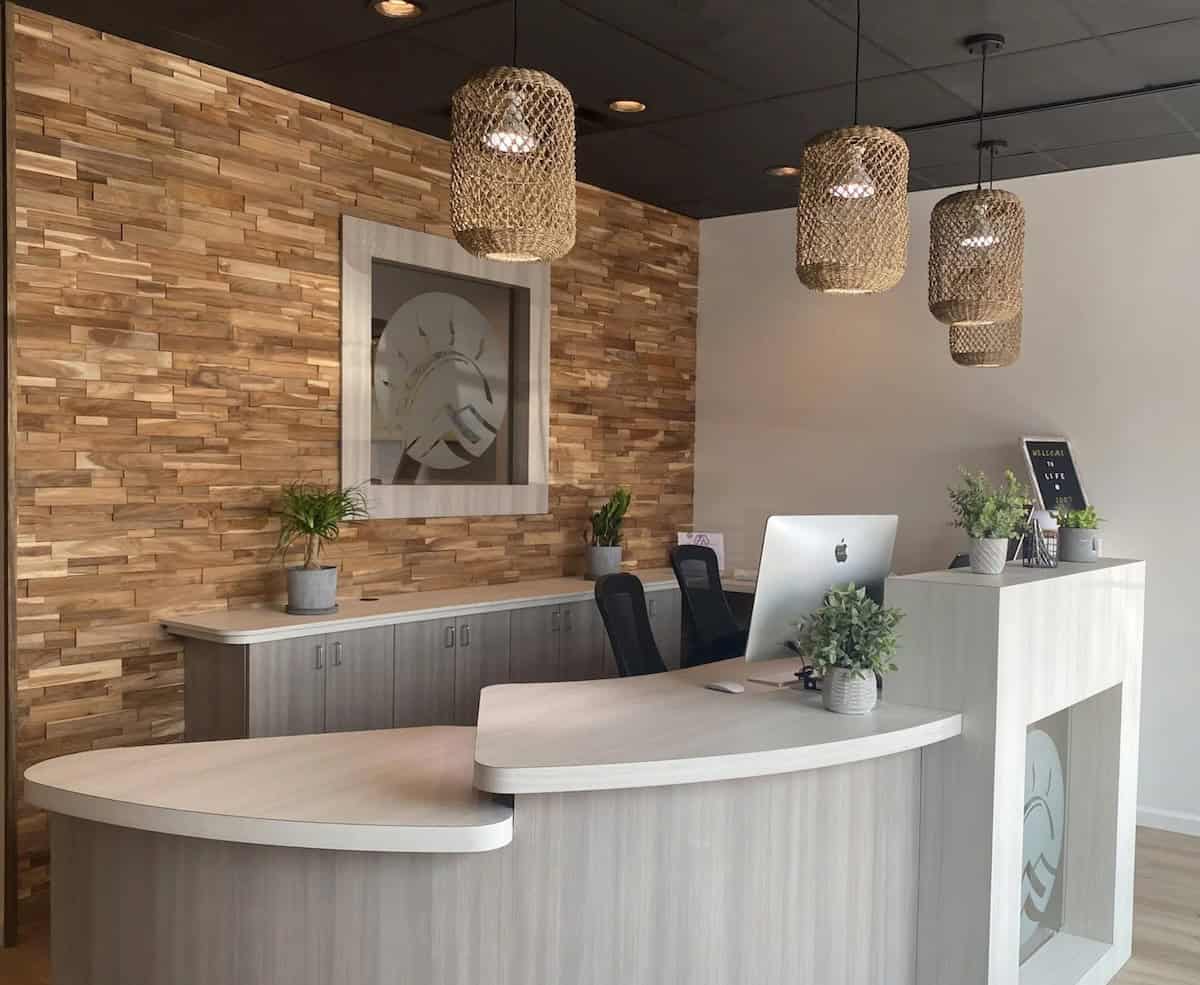
A reclaimed wood reception desk creates an immediate focal point, while wood accent walls provide texture in otherwise minimalist environments.
When combined with glass partitions, modern lighting, and streamlined furniture, reclaimed wood creates a professional aesthetic that feels approachable rather than overly formal.
Retail Stores and Showrooms
Retail environments benefit from materials that reinforce brand identity and create engaging customer experiences.
Reclaimed wood display walls, shelving, counters, and decorative features can introduce an artisanal quality to a store.
Boutiques, lifestyle retailers, specialty food shops, and showrooms can use reclaimed wood to establish an atmosphere that feels distinctive and thoughtfully designed.
The natural variations in reclaimed timber also create attractive backdrops for merchandise displays.
Boutique Hotels and Guest Spaces
Reclaimed wood can bring a sense of comfort and individuality to hospitality interiors.
Feature walls behind guest room beds, reception desks, lounge ceilings, and custom furniture pieces introduce character without sacrificing sophistication.
Paired with refined textiles, stone, contemporary lighting, and neutral finishes, reclaimed wood can contribute to an upscale yet welcoming environment.
For commercial installations, designers should confirm applicable fire-safety, accessibility, cleaning, and building-code requirements before selecting materials.
Reclaimed Wood Design Styles: From Rustic Charm to Modern Elegance
One of the greatest strengths of reclaimed wood is its ability to complement different architectural and interior design styles.
Rustic and Farmhouse Interiors
Weathered barn wood, exposed beams, and wide-plank flooring create a natural fit for farmhouse-inspired spaces.
Pair reclaimed timber with soft whites, vintage-style fixtures, woven textiles, and comfortable furnishings for a relaxed, welcoming atmosphere.
Modern and Contemporary Interiors
In contemporary interiors, reclaimed wood creates contrast against smooth surfaces and clean architectural lines.
Choose consistent plank widths, restrained color palettes, and simple installation patterns to achieve a refined appearance.
Natural wood paired with black metal, glass, and polished concrete can create a sophisticated modern aesthetic.
Industrial-Inspired Spaces
Reclaimed wood complements exposed brick, metal framing, concrete floors, and visible architectural details.
This combination works particularly well in loft apartments, creative offices, restaurants, and converted commercial buildings.
Luxury and Transitional Interiors
Reclaimed wood can also feel elegant and luxurious.
Carefully selected wood with rich natural tones, refined finishes, and subtle texture can complement marble, limestone, upholstered furniture, and architectural lighting.
The contrast between reclaimed timber and polished materials creates a balanced design that feels both sophisticated and inviting.
Choosing the Right Reclaimed Wood for Your Interior Project
Selecting reclaimed wood involves more than choosing an attractive color or texture.
The material should complement the intended design while meeting practical requirements for its installation and long-term use.
Consider Wood Species and Natural Color
Different wood species offer distinct grain patterns, hardness, and coloration.
Oak often provides pronounced grain and substantial visual character, while pine can create a softer, more relaxed appearance.
The natural tone of the wood should complement flooring, cabinetry, furniture, and surrounding finishes.
Evaluate Texture and Finish
Reclaimed wood may feature rough-sawn surfaces, weathered patinas, saw marks, or smoother refinished appearances.
Rough textures can create dramatic architectural features, while smoother surfaces are often preferable for furniture and frequently touched areas.
Verify the Source and Condition
Before purchasing reclaimed wood, ask about its original use and processing history.
Reputable suppliers should be able to explain how the material has been inspected and prepared.
Potential concerns include hidden metal fasteners, insect activity, excessive moisture, rot, and residues from previous paints or chemical treatments.
Wood with uncertain or potentially hazardous coatings should be professionally evaluated before being introduced into occupied interiors.
Plan for Proper Acclimation and Installation
Wood responds to changes in temperature and humidity.
Before installation, reclaimed material should be evaluated for moisture content and allowed to acclimate as appropriate for the product and environment.
Professional installation helps minimize problems such as warping, excessive movement, gaps, and fastening failures.
How to Pair Reclaimed Wood With Other Interior Materials
Reclaimed wood becomes particularly striking when combined with complementary textures and finishes.
Natural Stone: Limestone, marble, slate, and other natural stones create a refined contrast with the organic texture of reclaimed timber.
Brick: Exposed brick and weathered wood work together to create warm, industrial-inspired interiors.
Metal: Black steel, bronze, and brushed metal finishes introduce contemporary definition and visual contrast.
Glass: Glass partitions, doors, and decorative features balance the visual weight of wood and help maintain an open atmosphere.
Concrete: Polished concrete floors and countertops provide a modern counterpoint to rustic or weathered timber.
Neutral Paint Colors: Warm whites, creams, taupes, and soft grays allow reclaimed wood to stand out without overwhelming a space.
The key to successful material combinations is balance. Using reclaimed wood as a focal point often creates a more cohesive interior than incorporating multiple competing textures throughout the same room.
Is Reclaimed Wood a Sustainable Interior Design Material?
Yes. Reclaimed wood can be a sustainable interior design material because it extends the life of existing timber and reduces the need for newly manufactured products.
Instead of discarding usable wood during demolition or renovation, reclamation allows it to be incorporated into new residential and commercial environments.
Potential environmental advantages include reducing construction waste, conserving natural resources, and avoiding some of the impacts associated with producing new materials.
However, reclaimed wood is not automatically the most environmentally responsible option in every situation.
Transportation distances, processing methods, material waste, and chemical treatments can influence its overall environmental performance.
Choosing responsibly sourced, properly prepared reclaimed wood from reliable suppliers helps support more thoughtful and sustainable design decisions.
For businesses, reclaimed materials can also communicate an appreciation for craftsmanship, resource conservation, and intentional design.
Installation, Safety, and Maintenance Considerations
Reclaimed wood can remain beautiful for many years when properly prepared, installed, and maintained.
A few practical considerations are especially important.
Inspect and Prepare the Material
Before installation, reclaimed wood should be checked for hidden nails, screws, staples, insect damage, decay, and potentially hazardous coatings.
Older painted wood may contain lead, while some previously treated materials may be unsuitable for indoor use.
Avoid sanding or cutting wood with unknown coatings until potential hazards have been assessed.
Manage Moisture and Humidity
Excessive moisture can contribute to swelling, warping, mold growth, and other problems.
Maintain appropriate indoor humidity and follow product-specific recommendations for acclimation, installation, and finishing.
Choose Appropriate Finishes
The finish should reflect how the reclaimed wood will be used.
Wall paneling may require a different level of protection than flooring, countertops, or commercial furniture.
Low-emission finishes appropriate for interior use can help preserve the natural appearance of the wood while supporting indoor air quality goals.
Clean and Maintain Reclaimed Wood Properly
For most finished reclaimed wood surfaces, regular dusting with a soft cloth or suitable vacuum attachment is sufficient.
When additional cleaning is necessary, use a manufacturer-approved cleaner and avoid excessive moisture.
Inspect high-traffic areas periodically for wear, loose boards, or finish damage.
Follow Commercial Building Requirements
Commercial projects may require specific documentation or treatments related to flame spread, smoke development, accessibility, and other building requirements.
Consult qualified design and construction professionals to confirm that the selected reclaimed wood products are appropriate for their intended use.
Frequently Asked Questions About Reclaimed Wood Interiors
Is reclaimed wood good for interior walls?
Yes. Reclaimed wood is an excellent decorative option for interior walls when properly sourced and prepared. It adds warmth, texture, and visual character to living rooms, bedrooms, offices, restaurants, and retail spaces.
Can reclaimed wood be used in modern homes?
Absolutely. Reclaimed wood works beautifully in modern homes when paired with clean architectural lines, neutral colors, contemporary furnishings, and refined finishes. It adds organic warmth without requiring a rustic design style.
Is reclaimed wood suitable for commercial interiors?
Yes. Reclaimed wood can be used in offices, restaurants, hotels, retail stores, and other commercial environments. The material must be selected and installed in accordance with applicable building and fire-safety requirements.
What is the difference between reclaimed wood and new wood?
Reclaimed wood has been previously used and recovered for another purpose, while new wood is processed from recently harvested timber. Reclaimed wood often features distinctive weathering, patina, and surface markings associated with its previous use.
Is reclaimed wood expensive?
Reclaimed wood pricing varies based on species, rarity, condition, sourcing, processing, and installation requirements. Some reclaimed materials cost more than conventional lumber because of the labor involved in recovery, inspection, cleaning, and preparation.
How do you clean and maintain reclaimed wood walls?
Dust reclaimed wood walls regularly using a soft cloth or vacuum with a brush attachment. For finished surfaces, use an appropriate cleaner recommended by the supplier. Avoid saturating the wood with water or using harsh chemicals that could damage its finish.
Can reclaimed wood be used on ceilings?
Yes. Reclaimed wood can be installed as decorative ceiling planks or beams, provided the material and fastening system are suitable for overhead installation. Structural applications require professional evaluation.
Is reclaimed wood environmentally friendly?
Reclaimed wood can be environmentally friendly because it reuses existing material, helps reduce waste, and may decrease demand for new timber. Its overall environmental impact depends on sourcing, transportation, processing, and finishing practices.
Final Thoughts: Bringing Natural Beauty and Authentic Character Into Every Space
Reclaimed wood offers something increasingly valuable in interior design: a genuine connection between natural materials, craftsmanship, and architectural character.
Its weathered textures, rich grain patterns, and distinctive history create interiors that feel warm, authentic, and thoughtfully designed.
From reclaimed wood accent walls and decorative ceiling beams to custom furniture, flooring, and commercial architectural features, the possibilities are remarkably diverse.
For homeowners, reclaimed wood provides an opportunity to create comfortable living environments with individuality and timeless appeal.
For businesses, it can help establish welcoming, memorable interiors that communicate character and attention to detail.
And for architects and interior designers, reclaimed wood offers a versatile material that bridges traditional craftsmanship and contemporary design.
Whether your vision is rustic, modern, industrial, or luxurious, reclaimed wood can transform an ordinary interior into an extraordinary space.
By selecting quality materials, embracing natural variations, and incorporating reclaimed wood thoughtfully, you can create residential and commercial interiors that are beautiful, functional, and full of lasting character.